



I don’t recall the exact moment I decided this was on my bucket list, but when I saw a Facebook post by Craig Parry offering a tour, I knew I had to say yes.
Like most bucket-list experiences, it came at a cost and needed to be planned well in advance, so I had a good 12 months to prepare. That had a number of benefits: budgeting, because you’d be surprised how much you can save over time, and training, making sure you’re fit enough. You don’t want to be fatigued when trying to swim alongside humpback whales.
I’d never been to any of the Pacific Islands, so I wasn’t quite sure what to expect. I arrived very late into the Kingdom of Tonga and had an early connecting flight the next morning, which meant an overnight stay in a hotel. This is where I met a couple of other travellers doing the same photography tour. Leaving all the big-city expectations behind, I was now on island time.
By morning, the three of us were already bonding. Maybe it was the late night, maybe delirium from the lack of sleep, but we connected instantly.
As we boarded our domestic flight to Vava’u, it wasn’t hard to guess who else was part of our group. They stood out among the Tonga locals boarding the same flight.
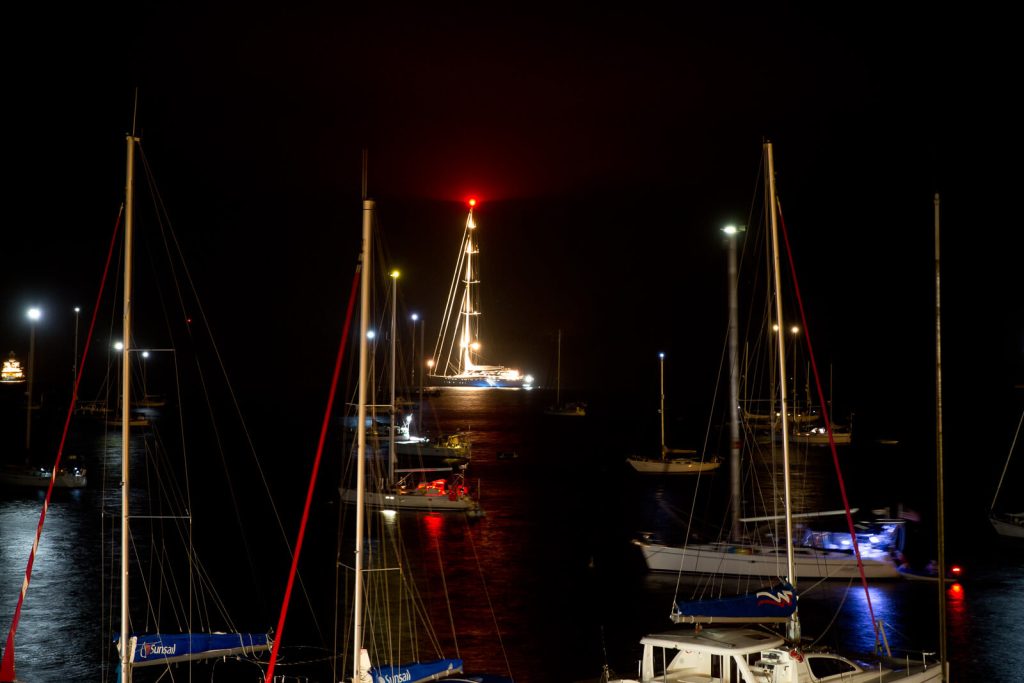
On arrival, we were greeted by Craig Parry and his partner Kate. We jumped in a van and were made to feel welcome in our temporary home beside the harbour.
The daily routine was simple: be ready at 7:30am on the jetty. We go find whales.
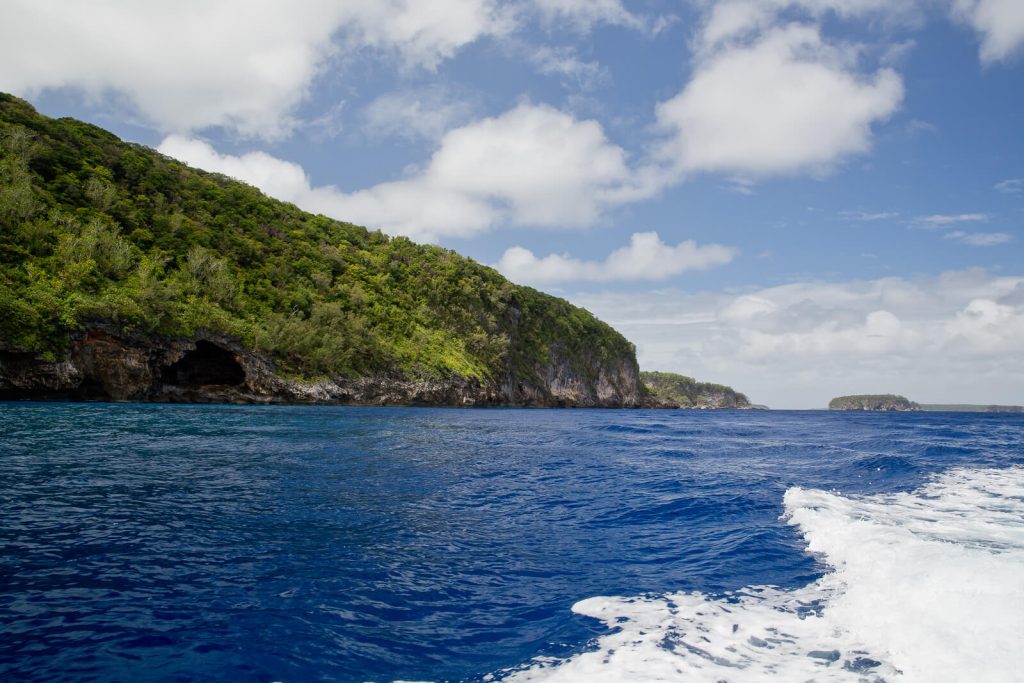
We made the 20-minute journey out of the inner-island waterways and into the open ocean. Our captain and local guide were the best in the business. Our trusty, seaworthy boat, Radar, also had a brilliant reputation. We were in very capable hands from day one, with Craig Parry leading the workshop and helping us make the most of every interaction.
But you can’t forget for a moment that you’re dealing with mother nature: the ocean, the weather, and the humpbacks themselves. If it doesn’t all come together, it simply means trying again tomorrow.
Not everyone has sea legs, and it took me a few days to find mine. I took onboard all the tips my more seaworthy mates had to offer:
- Take the seasickness medication the night before. Get it into your system, then have the normal dose again 30 minutes before getting on the boat.
- Don’t go into hiding on the boat. You want fresh air and to be able to see the horizon.
- Keep busy. Preoccupy yourself with other things rather than focusing on the motion and feeling unwell.
I followed all these rules and, by day three, I was able to stop taking seasickness tablets altogether. I’d become a champion humpback spotter.
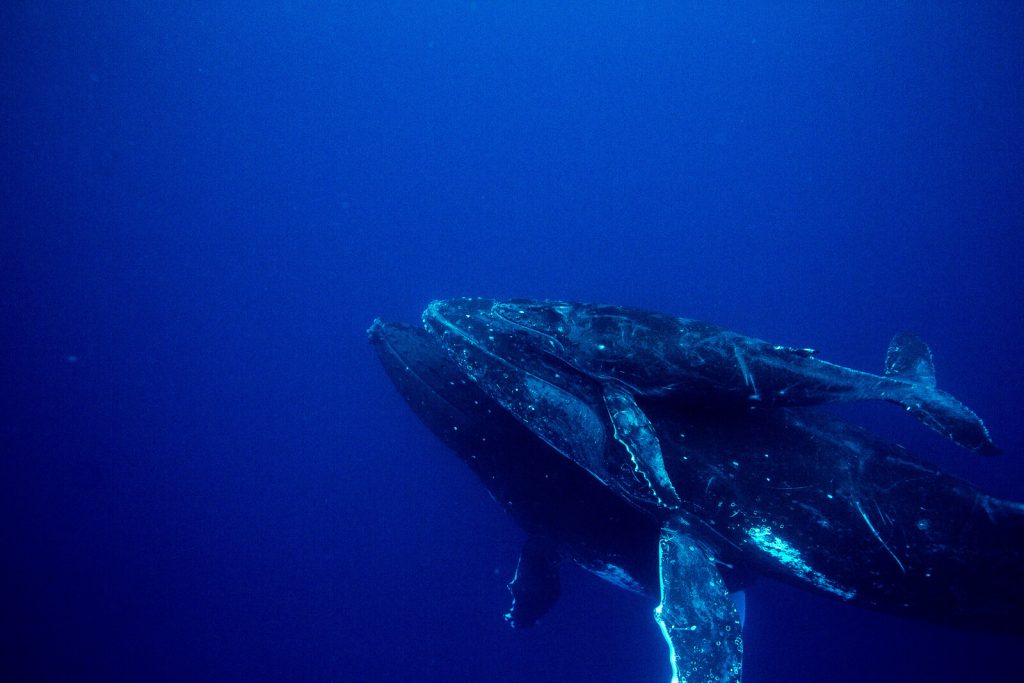
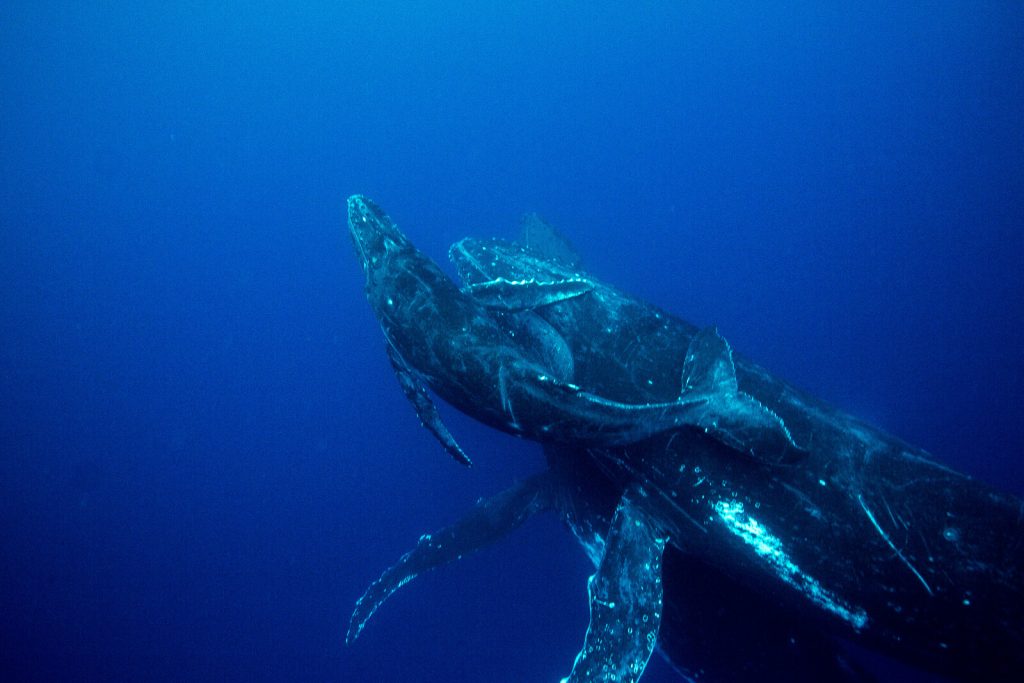
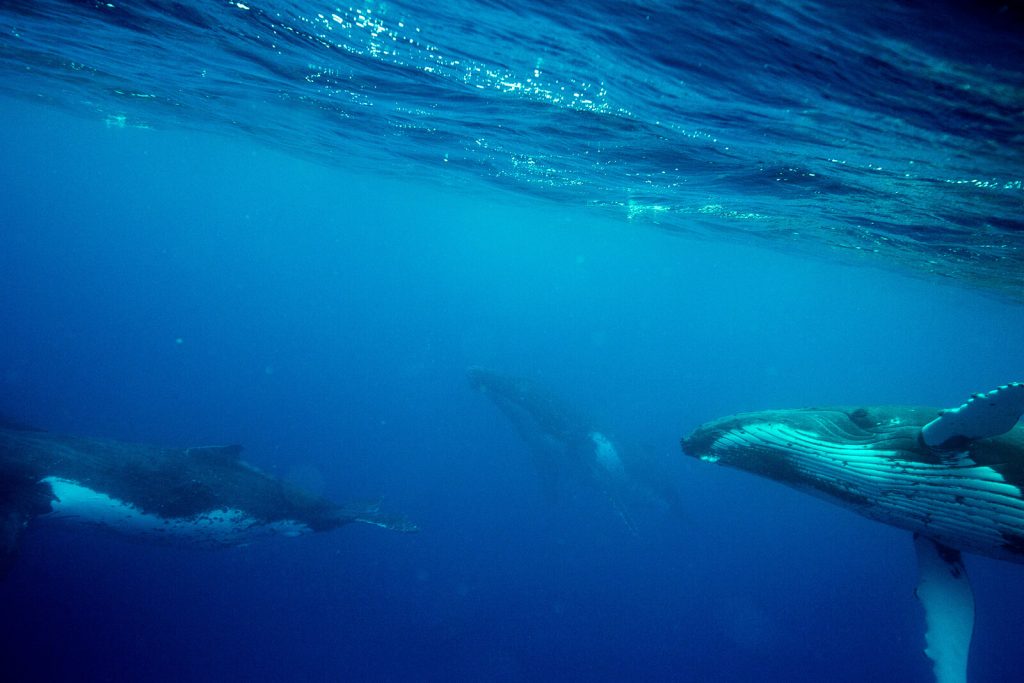
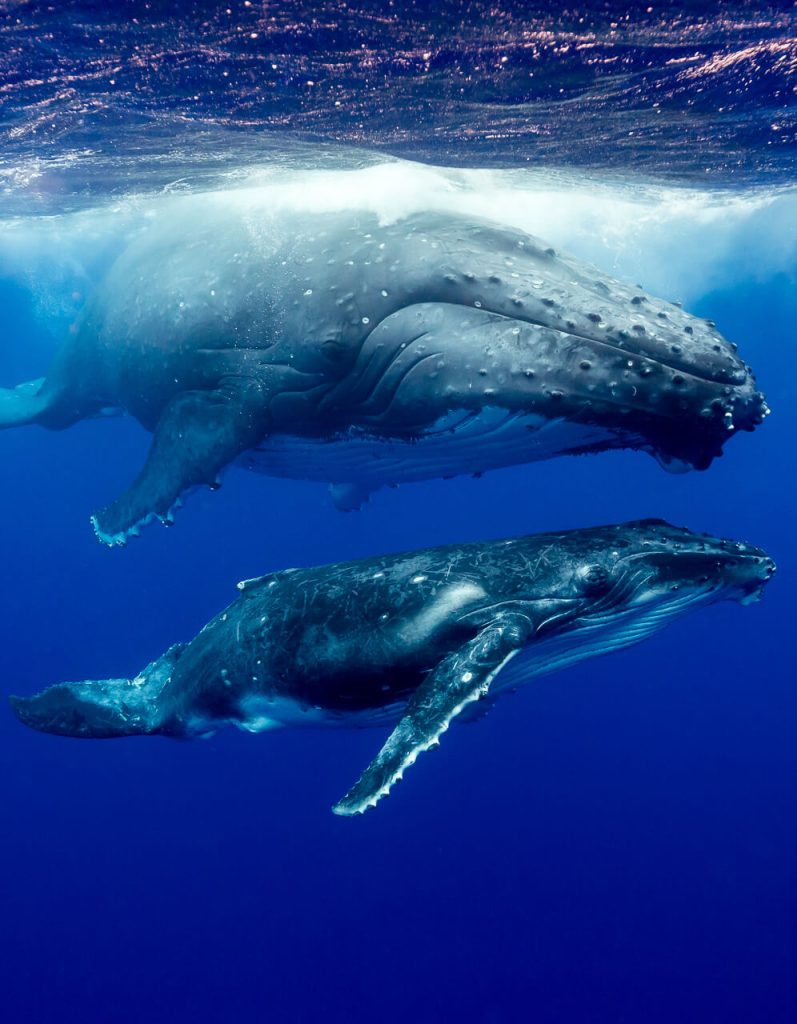
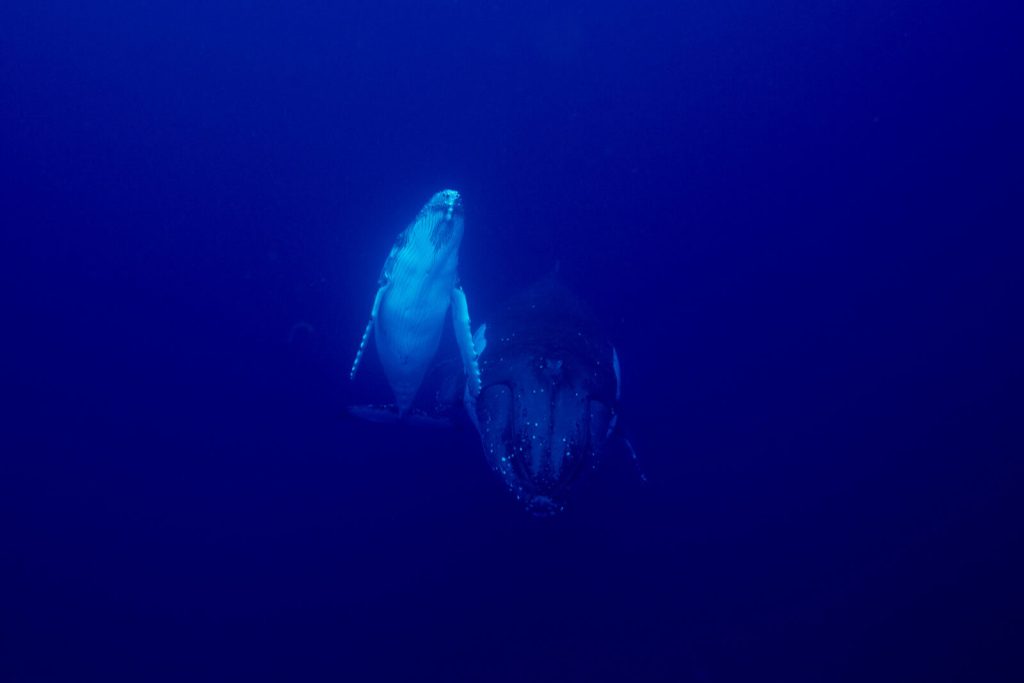
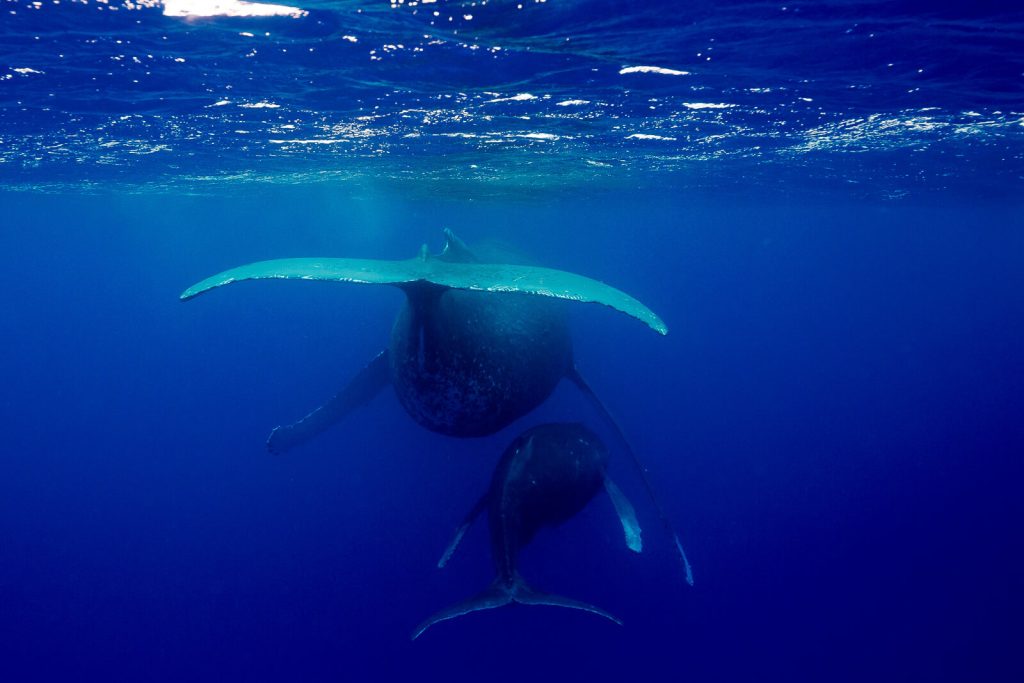
Our very first encounter unfolded within the hour. We found a mother and calf happily resting and willing to accept our company.
We were all nervous. We were all new to this, except for Craig Parry and the local guide. We’d all seen videos and heard countless stories. We’d all done our due diligence and knew the risks of swimming with 30-tonne humpbacks, but nothing prepares you for that first encounter.
The Kingdom of Tonga has done an exceptional job of protecting the whales, and these guides are certified to protect the whales from us as much as us from them. We’d already been briefed by our local water guide on the rules. We slid into the water, followed the guide, and waited for his instruction.
The calf surfaced first, staying wide of us. On the second ascent, both mother and calf came to the surface. The mother nudged the calf, almost as if to suggest that it was okay, that we were friends. On the third ascent, the calf came up alone again and moved in close. Close enough that we locked eyes. At that stage, the camera was by my side. The rest of the world had faded into the distance, and I was completely overwhelmed with emotion.
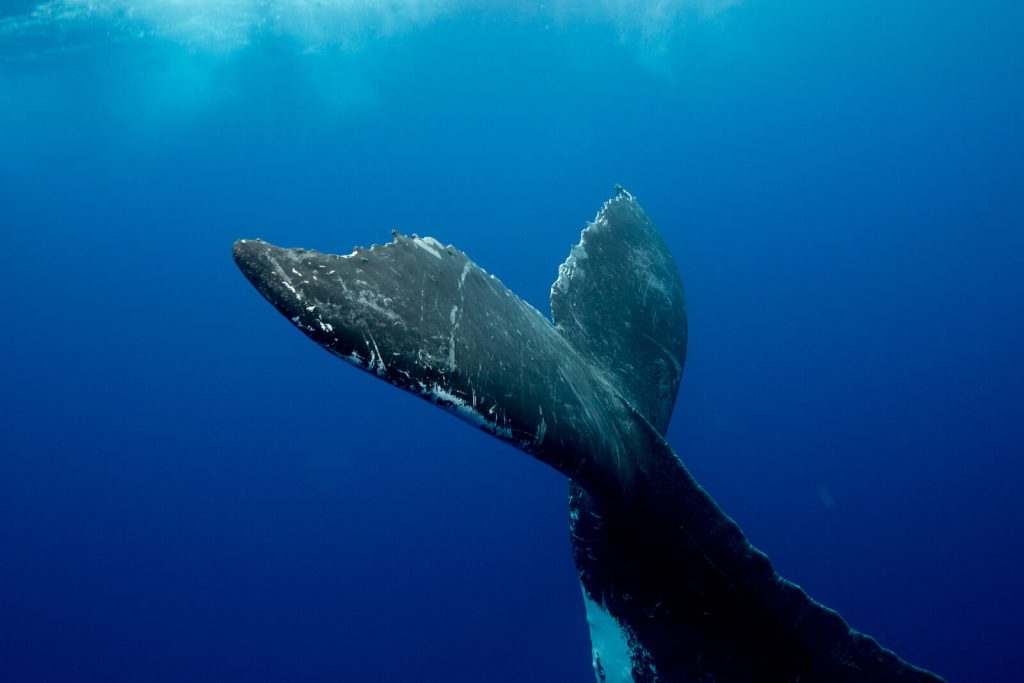
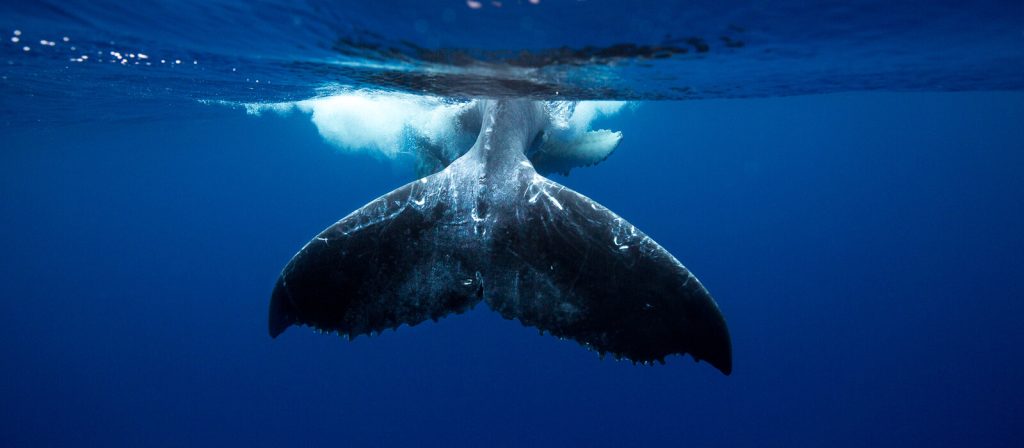
One of the other highlights was freediving on a full-grown male resting vertically in the water, nose down and tail up, singing his song. I got within about 10 metres of his tail before deciding oxygen was, in fact, a good thing and that I needed to ascend.
It was dark, but the singing was loud. I had the camera on video to capture the audio, and I experienced something really interesting. Though the sounds were clearly audible, the camera housing was reverberating intensely. With both hands on the housing, I could feel it resonating through my entire body. I could hardly keep the housing still. The octave range was clearly operating on levels I couldn’t even hear. Wow.
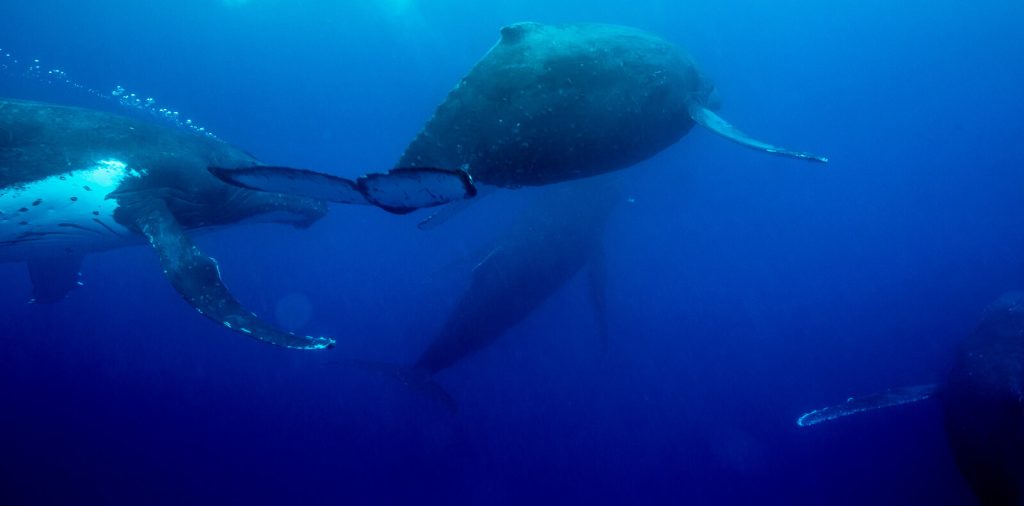
We also experienced a heat run, where all the boys chase the girl. Our captain was completely tuned into it, reading the trajectory of the run. He dropped us into position and we waited.
Boom.
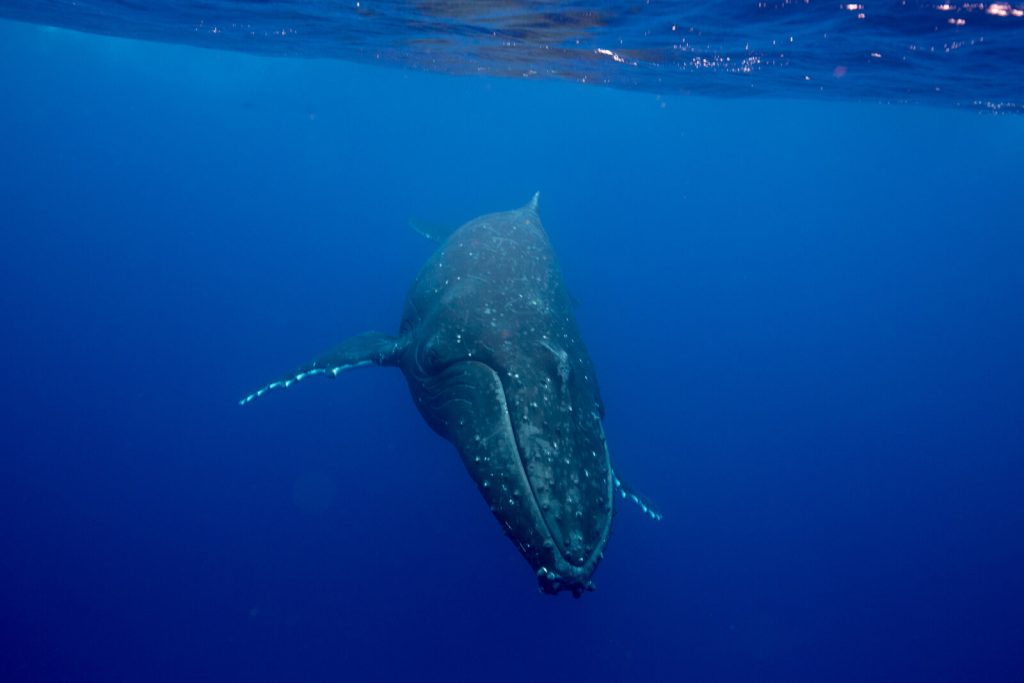
One, two, three — they kept coming. Seven in total. They passed us fast, and just when you thought they were going to hit you, they shifted effortlessly, so graceful for something so massive. A 30-tonne whale doing a slow dance around you. We experienced these drops a few times. Mind blown yet again.
Every afternoon we’d walk the jetty, replaying the day’s encounters. We’d laugh, giggle like kids, and feel high on life.
The days blended together in a rush of amazing experiences, overloading your senses. Every day was exhilarating.
The addiction is real. Tonga leaves you wanting more.
It brings you closer to the ocean and the beauty within it, and hopefully changes some old habits for new ones that help protect it from the threat of pollution, particularly plastic.