
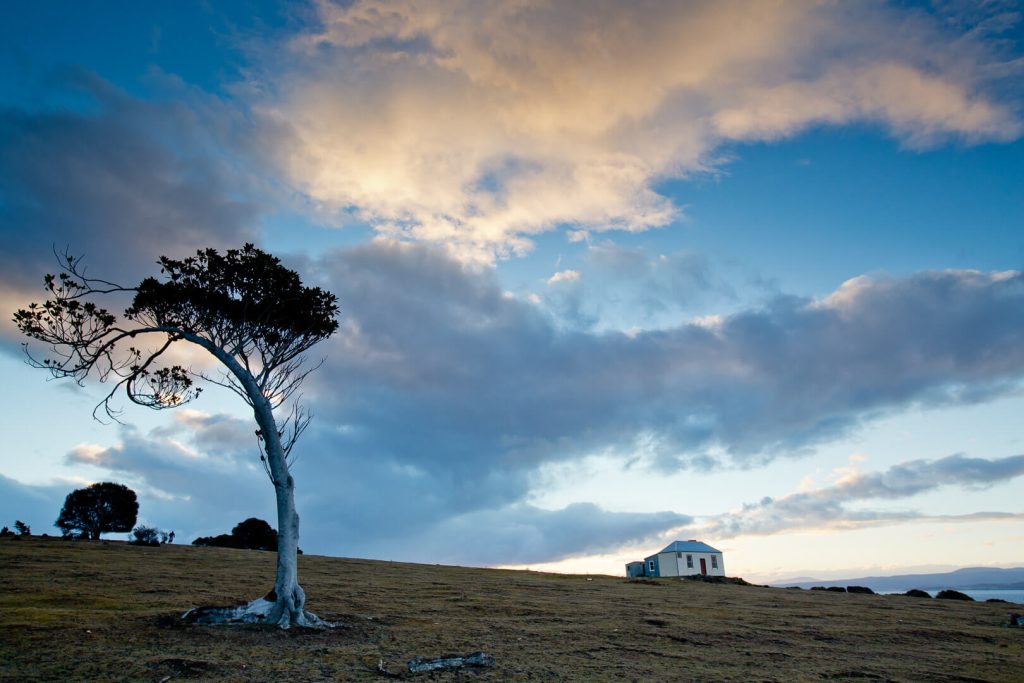
We walked, we cycled, we swam.
From Sydney to Maria Island, Tasmania will take you just over 3 hours.
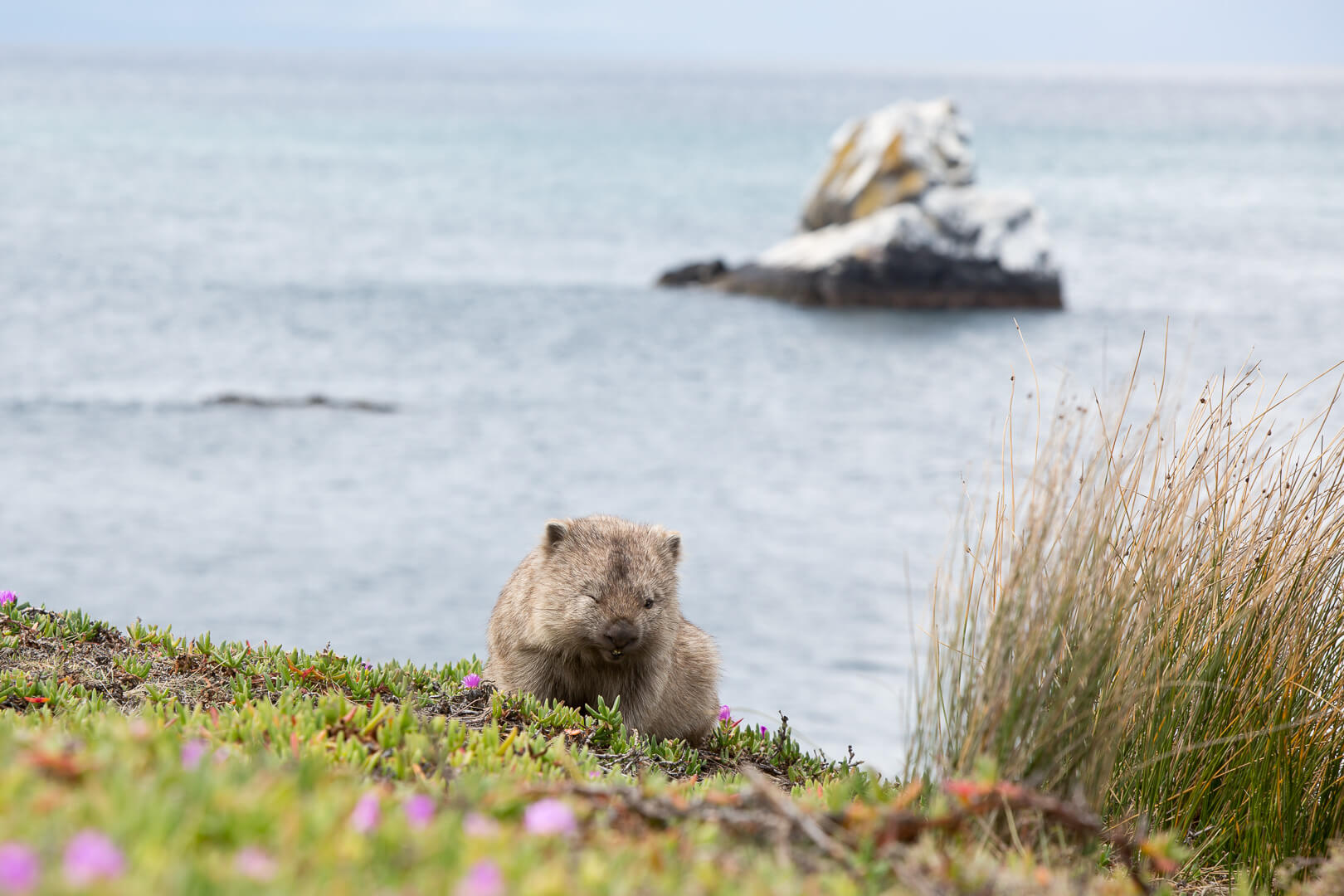
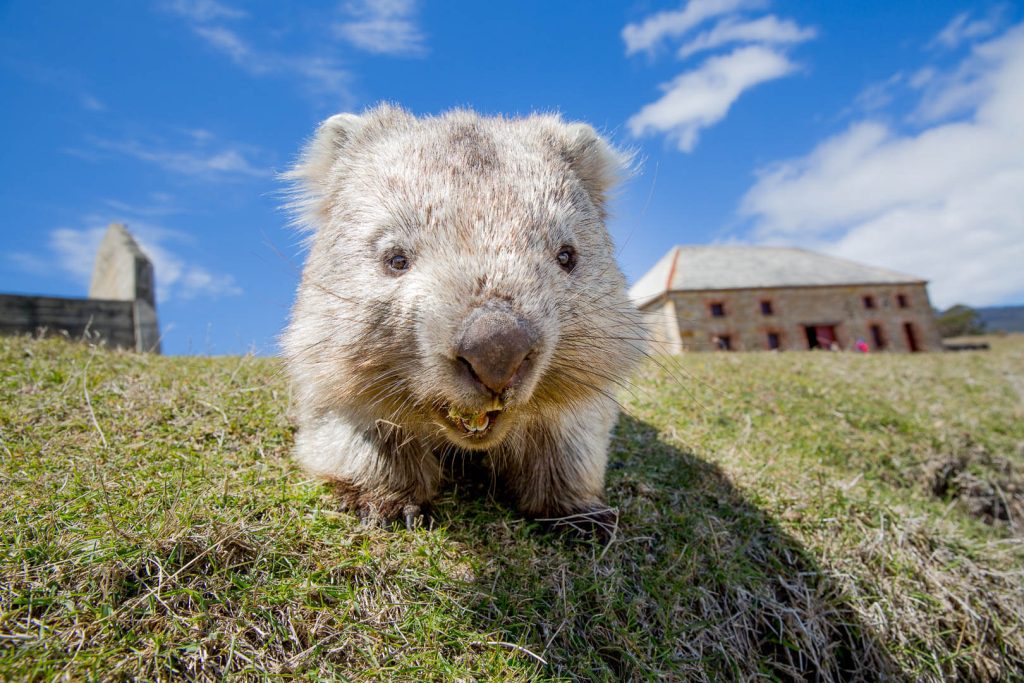
Plane, drive and ferry — then wombats, lots and lots of wombats!
A 2-hour flight to Hobart, a short 50-minute drive to Triabunna and lastly the 6 km ferry ride from the mainland across to Maria Island.
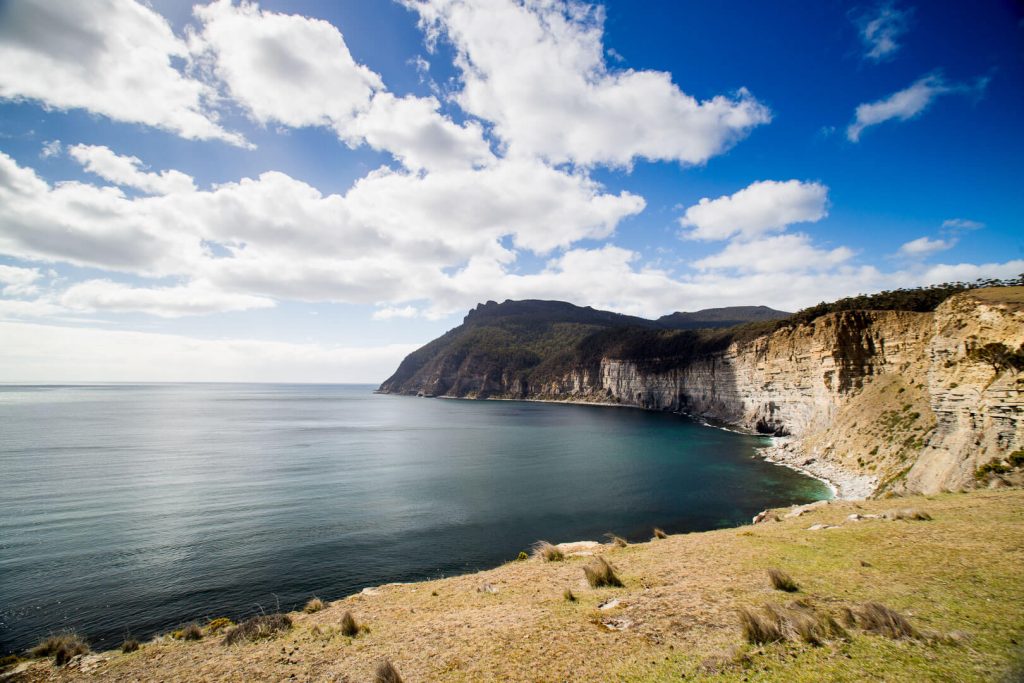
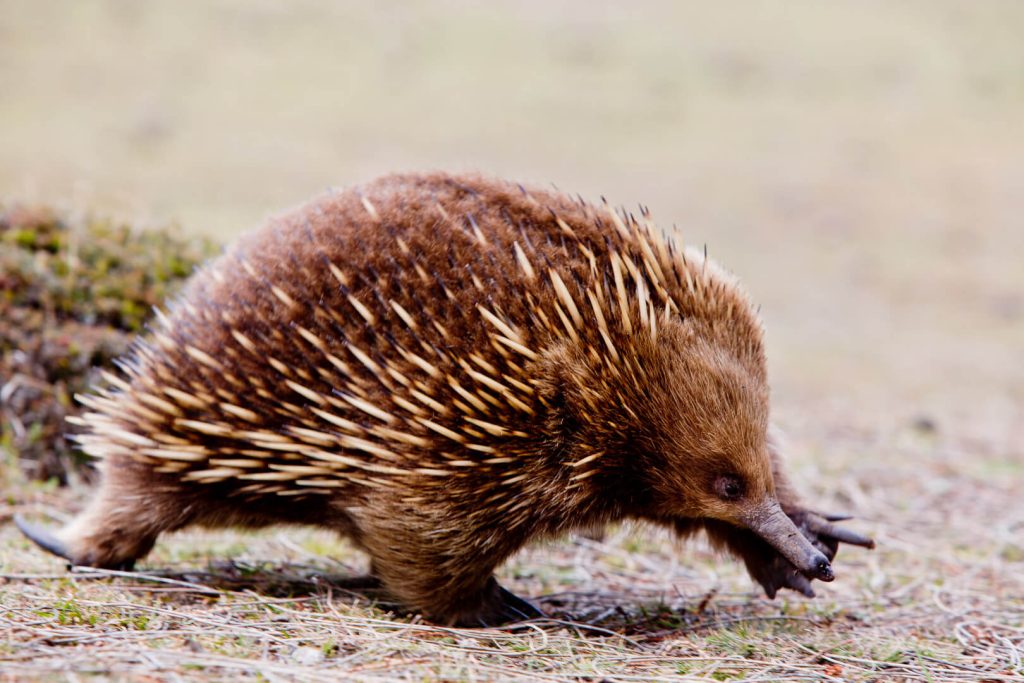
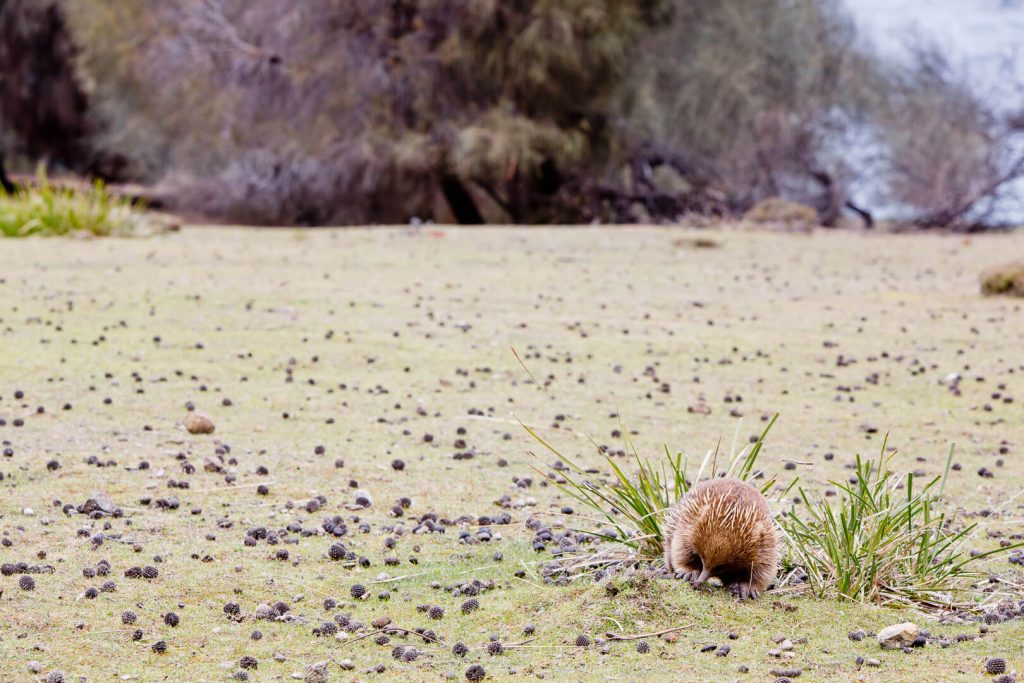
Once on Maria Island, you will instantly find yourself disconnected from the city lights and sharing the island’s sweeping bays and dramatic cliffs with its native wombats, wallabies, kangaroos, echidnas and, if you’re super lucky, the Tasmanian devils.
Maria Island is a stunning national park and, being an island, has lent itself to being the perfect refuge for flora and fauna — having avoided human development, vehicles and for the most part, human living here.
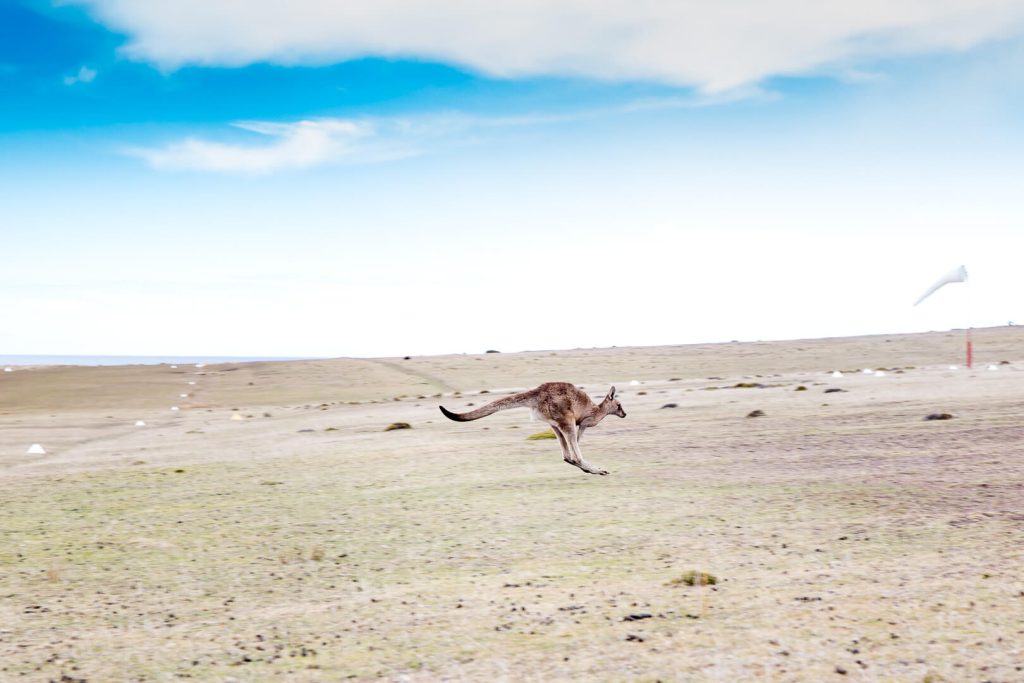
Once on Maria Island, you will instantly find yourself disconnected from the city lights.
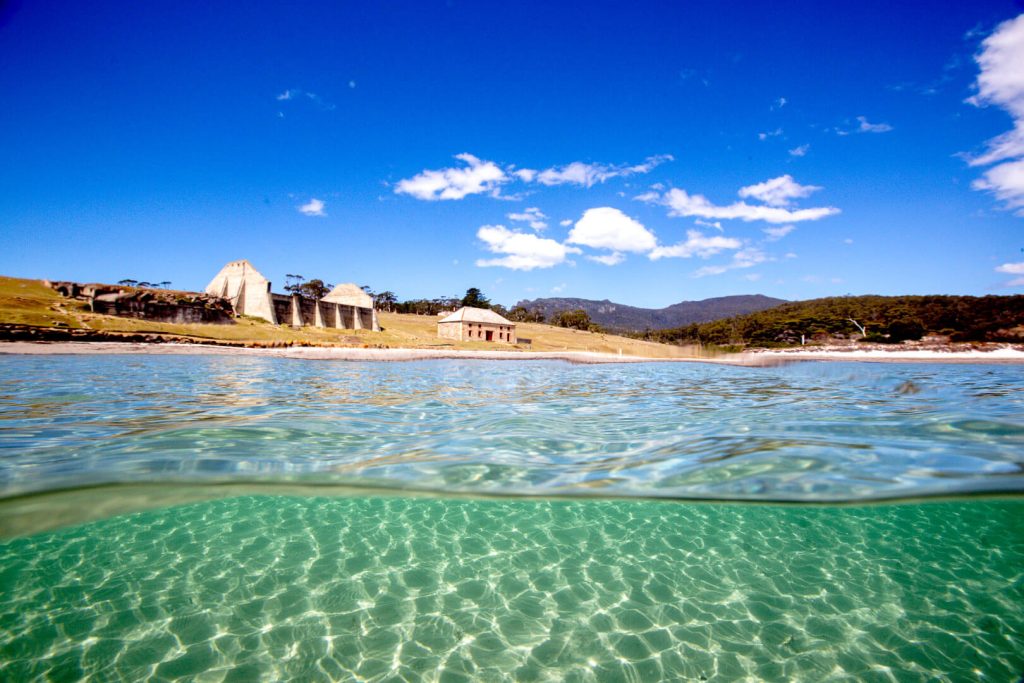
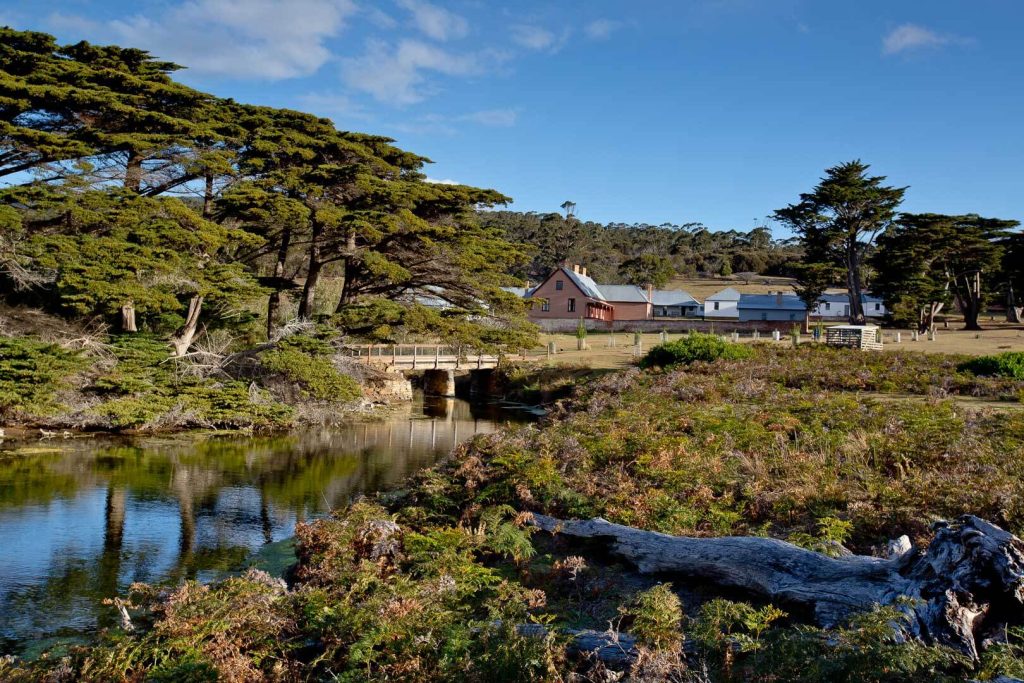
As you explore, and as the stories of Maria Island’s history unfold, you find yourself imagining life here as a convict. In fact, some convicts wrote of the contradiction between being chastised and being on this beautiful island. Nothing has changed — it’s truly beautiful.
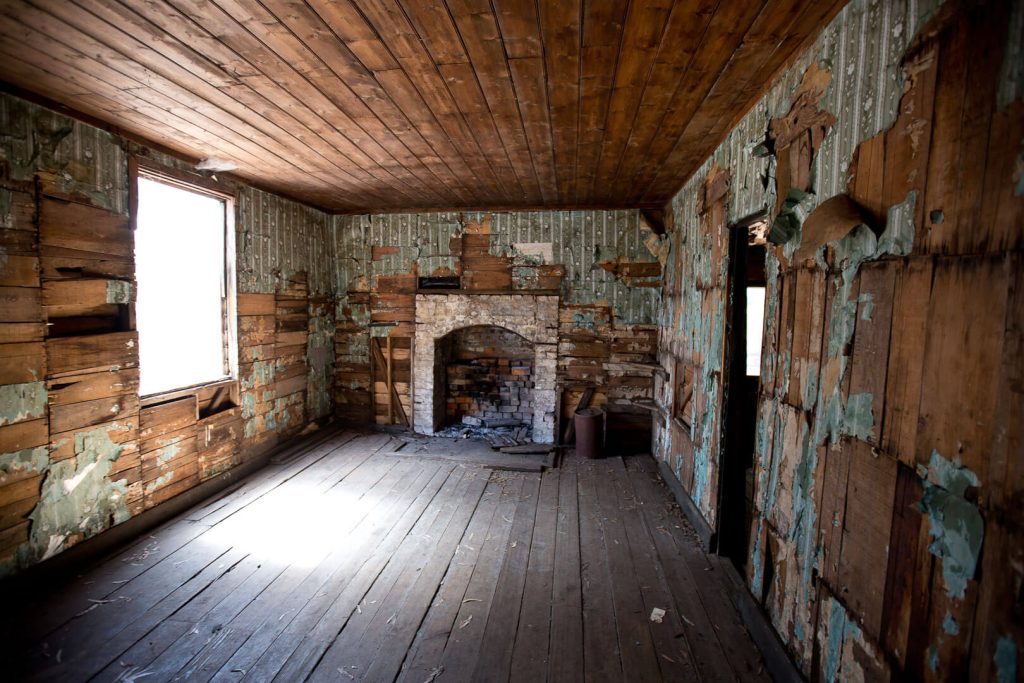
As you roam further afield on the island you discover other remnants of the years past, the other chapters in the island’s history providing even more amazing stories of survival on this remote island.
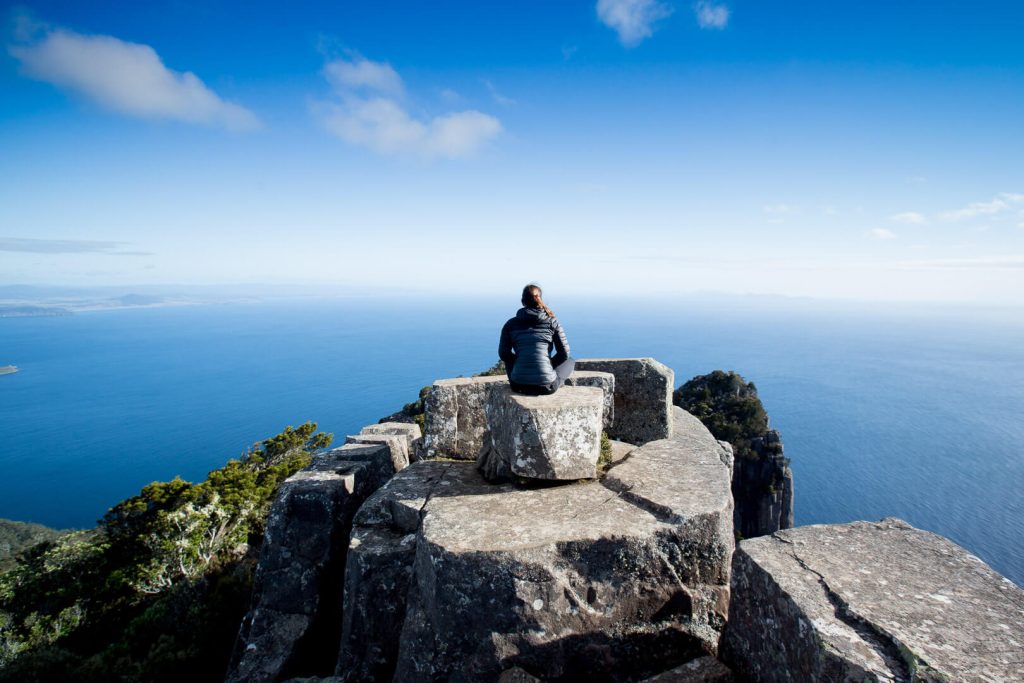
By foot or bicycle ideally you’ll need a few days. If you want to do all the walks and encounter the entire island, including some of its more remote areas, you may need even longer or maybe stage your visits over time. As the crow flies, end-to-end Maria Island is approximately 20 km long. Considering the undulating terrain and winding paths with all your camping gear, food and water, you just need to plan a little.
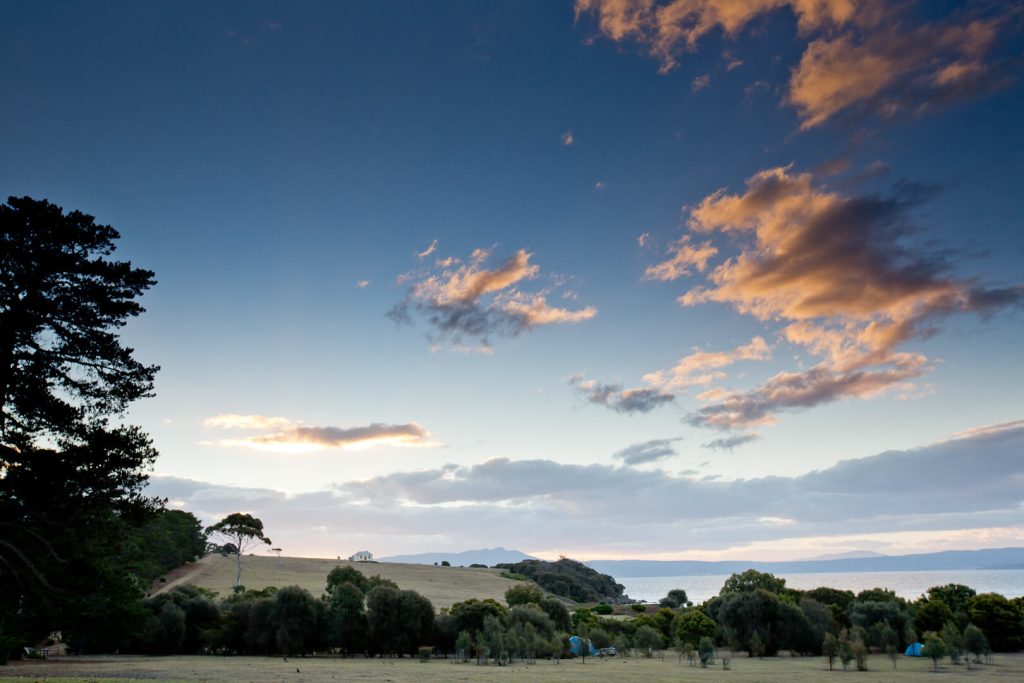
In the evening when the last ferry leaves, Maria Island is yours.
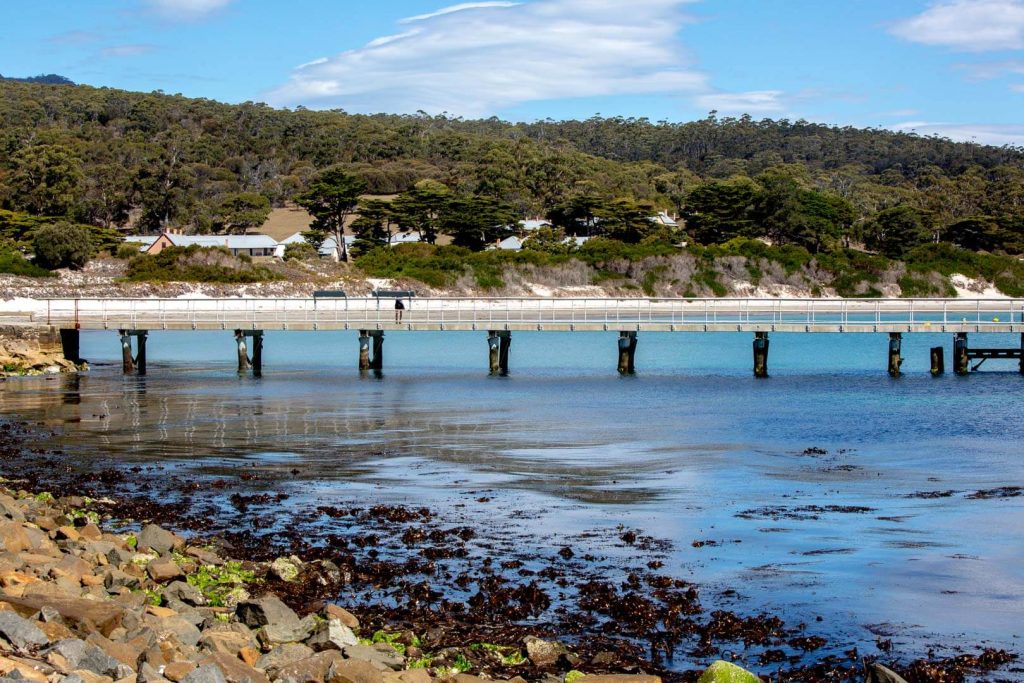
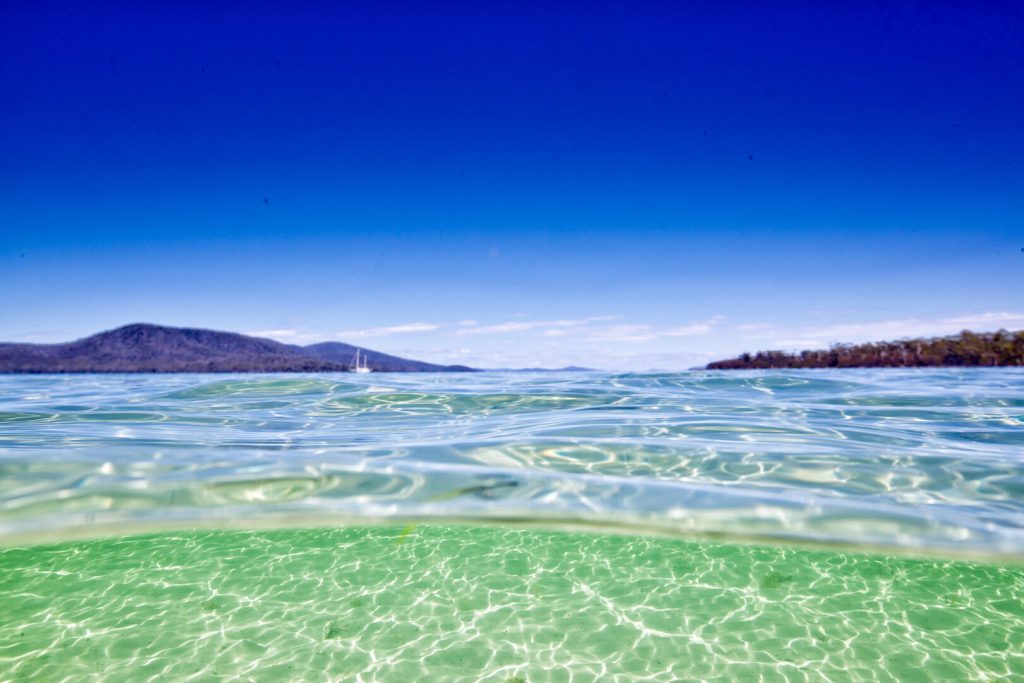
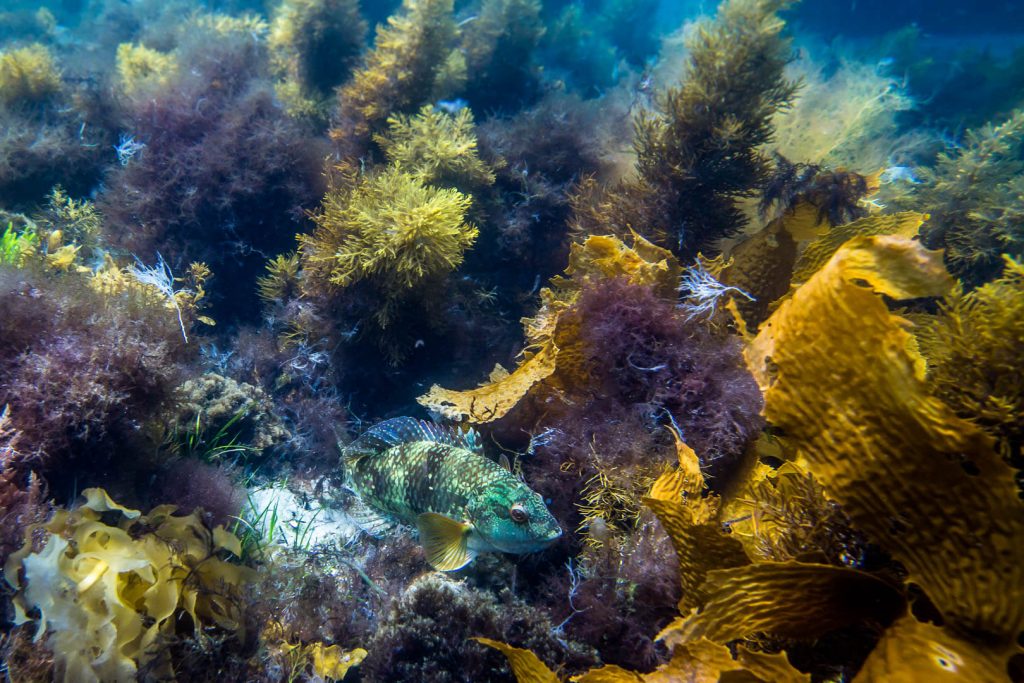
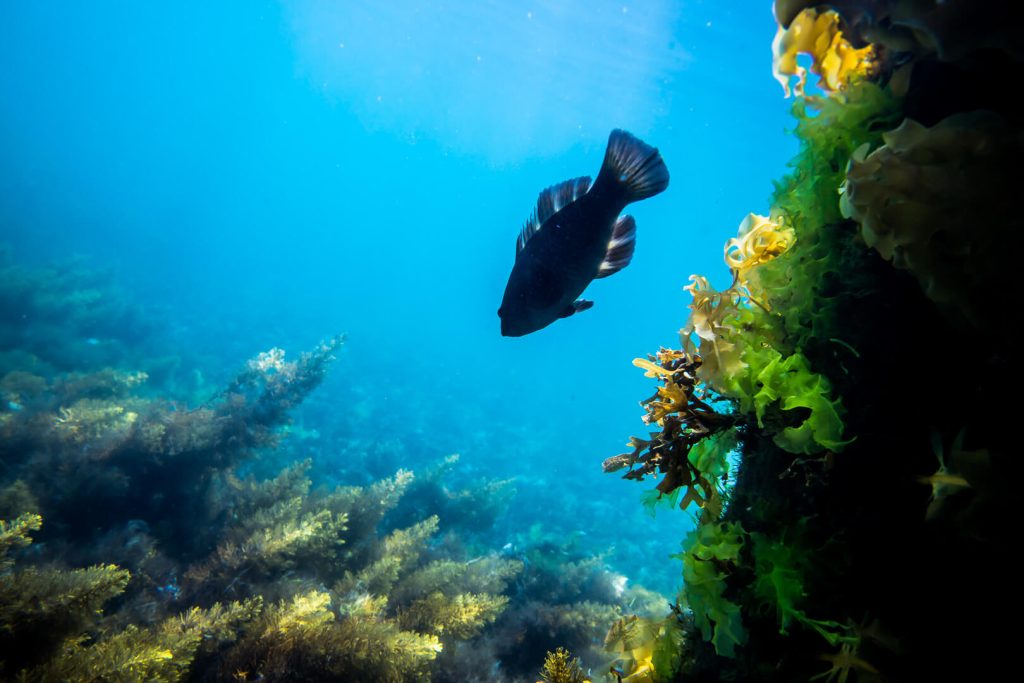
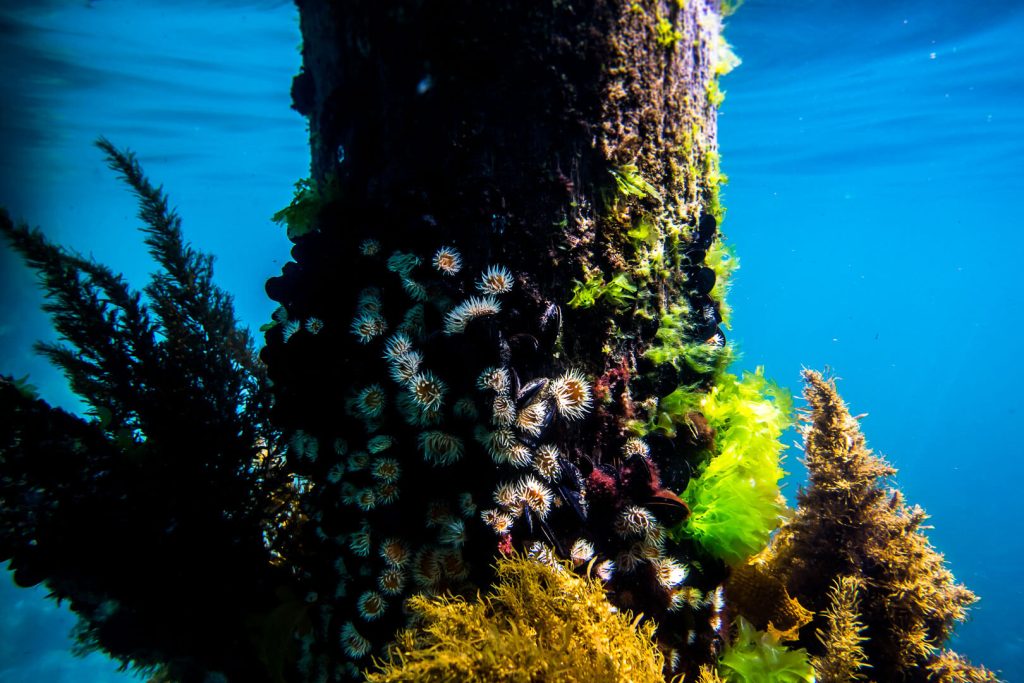
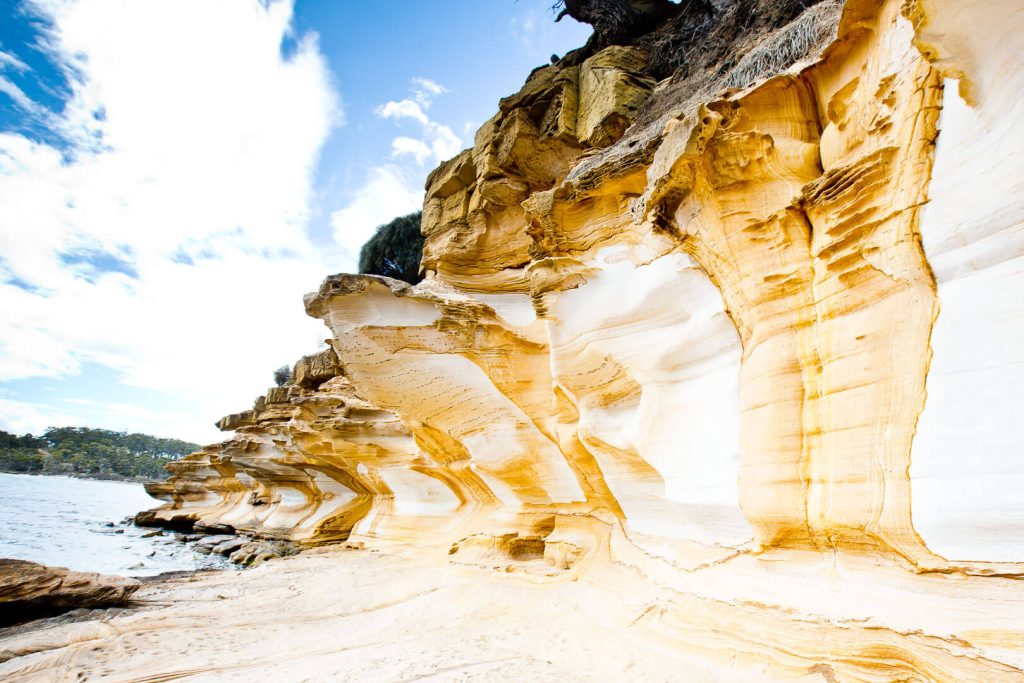
In the three days we spent on the island we managed to cover a lot of ground. Exploring various bays, the Fossil Cliffs, the Painted Cliffs, many a walk, many a wombat. I even managed to freedive and explore the aquatic reserve in the gin-clear waters near the jetty. Very refreshing but incredibly beautiful and very different to what you see in warmer waters.
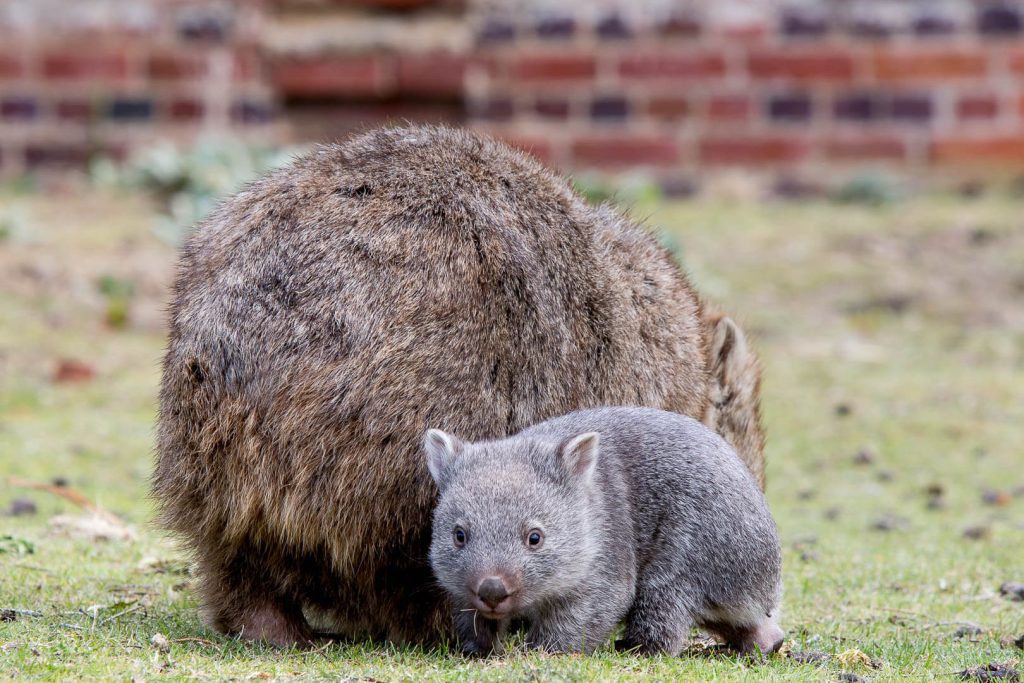
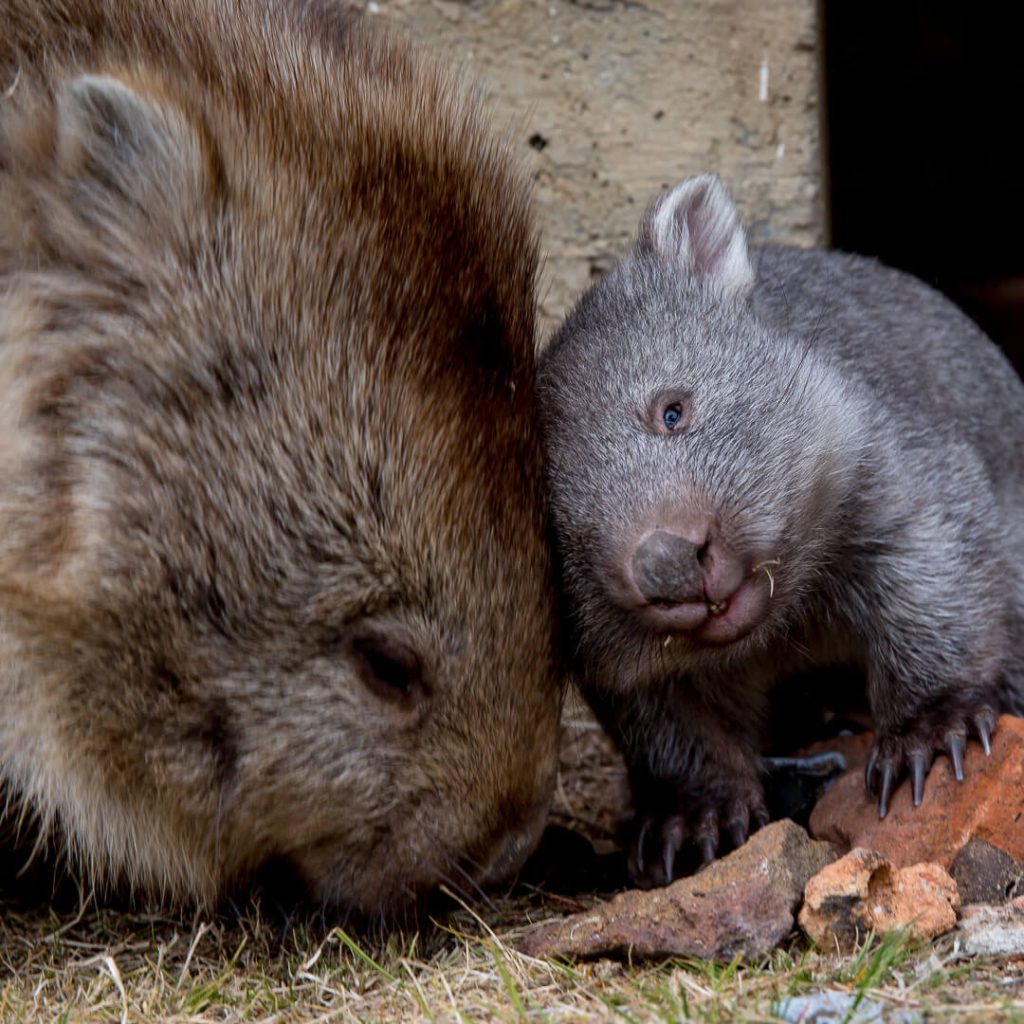
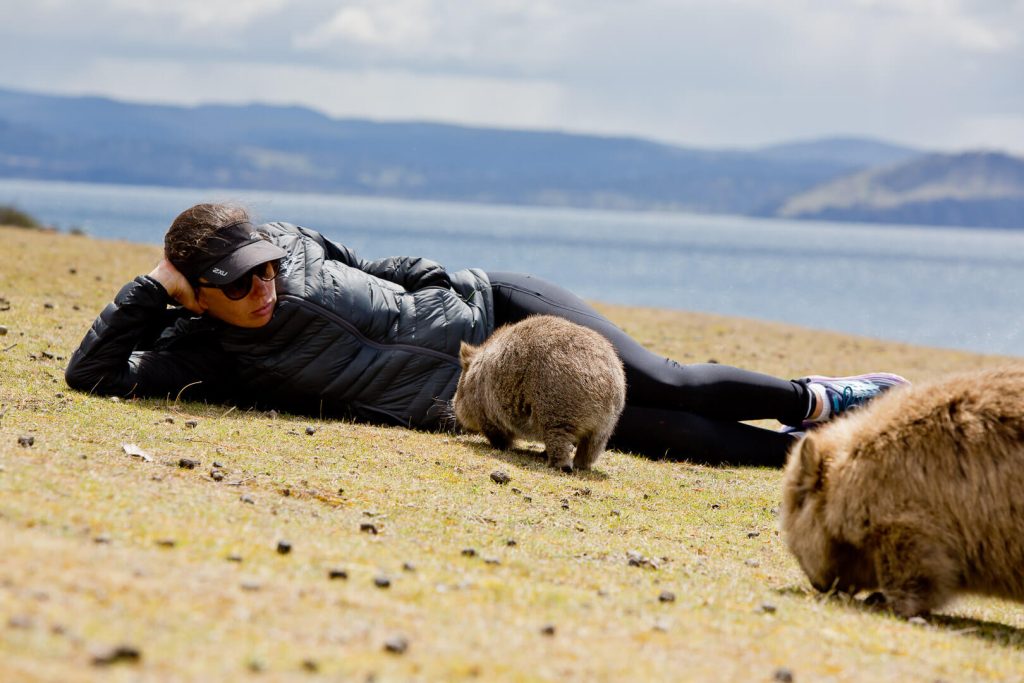
We had so many amazing wombat encounters as it was springtime and there were plenty of joeys, but with all things in the natural world, you just need to exercise patience. When you wait and watch you may well be surprised; we must remind ourselves and sometimes others not to harass the wildlife. If they are comfortable with you they’ll approach you.
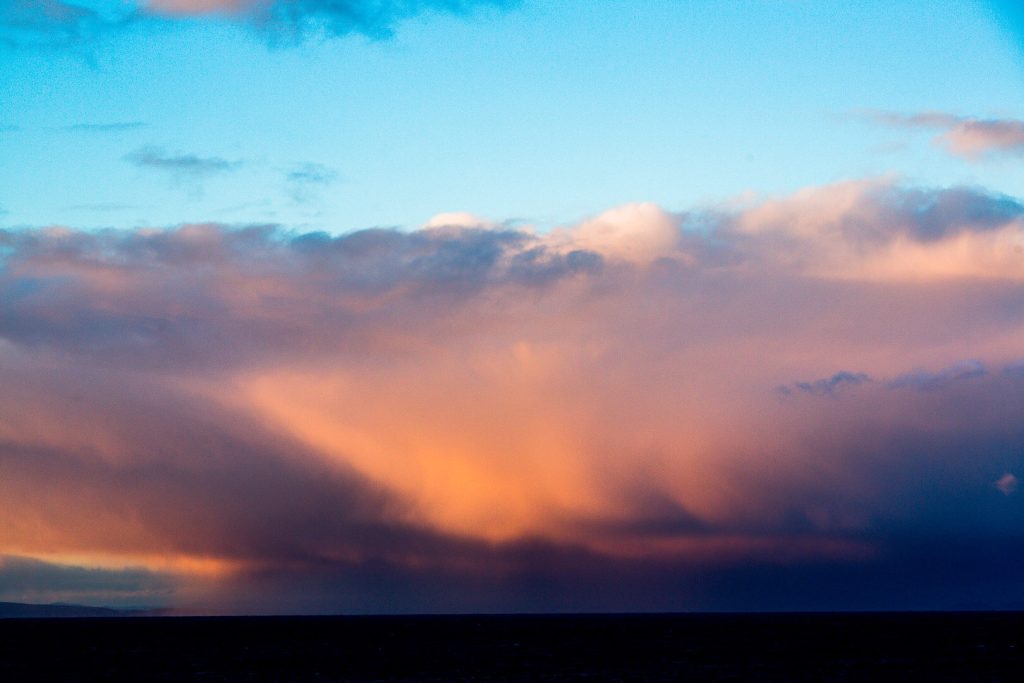
Much of Tasmania is subject to quick weather changes and when the rain came it was beautiful. The changes swept through quickly and intensely leaving us nice and cool and the grass moist for the wombats to forage on.
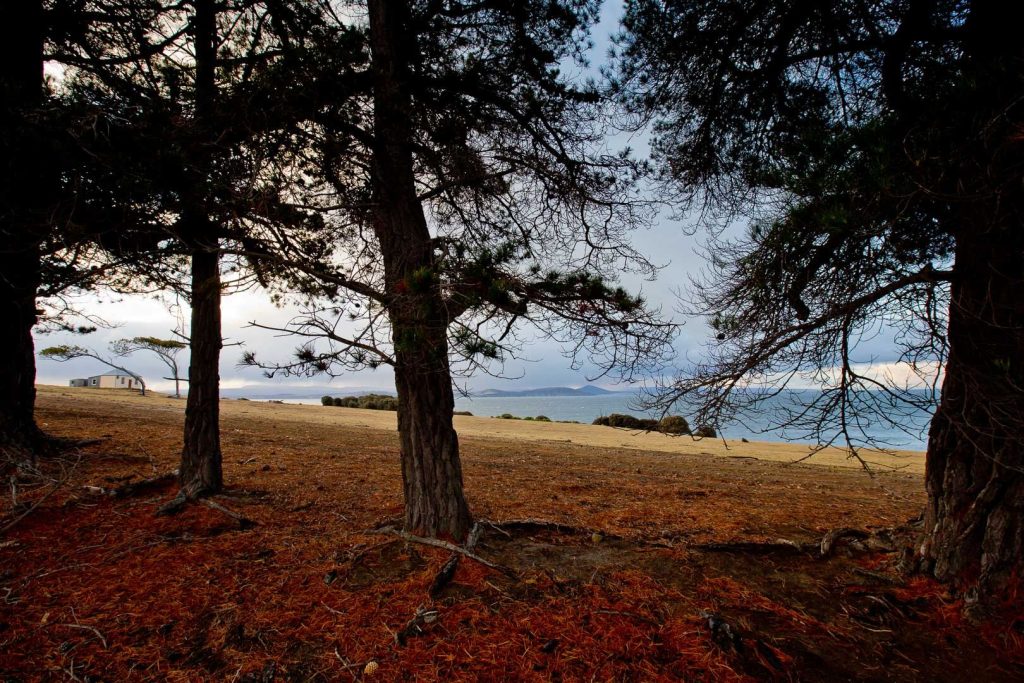
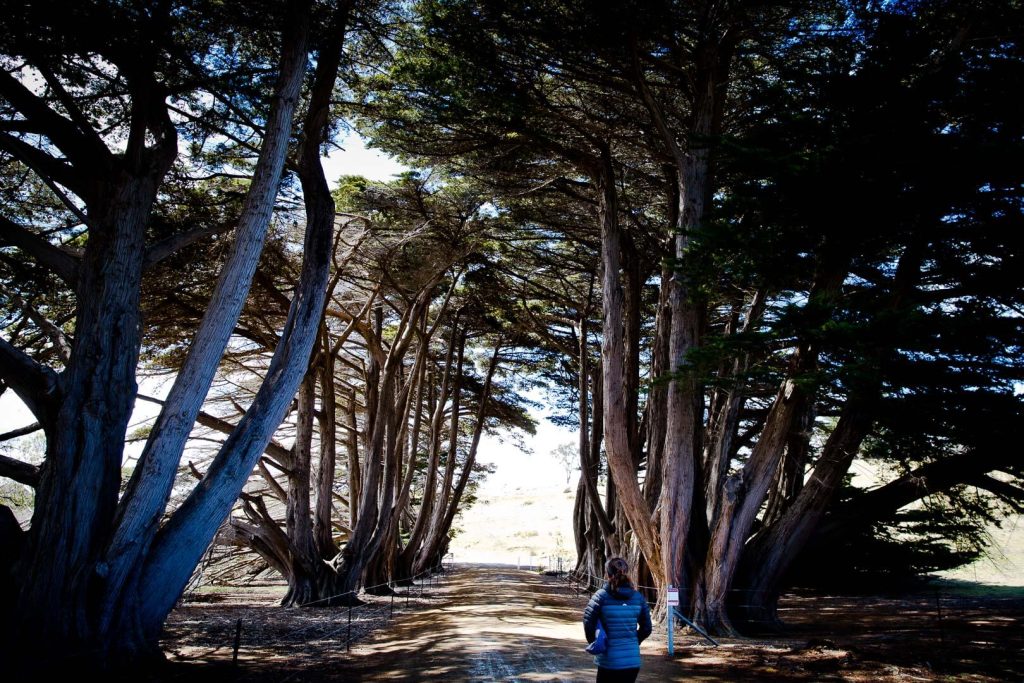
I recall being out one afternoon by myself; the rain began to fall, it soon became a problem as my camera gear wasn’t protected. I took shelter under a row of pine trees with low-hanging branches offering enough layers above me to stop the rain getting myself and the camera wet. As I sat there taking in the clean fresh air, watching the landscape change, a wombat must have thought to do the same. Staying completely still, he/she was next to me for a few minutes pondering its next move. It eventually troddled off to meet a few others on the open hillside when the rain subsided. Priceless. No photos, just memories.
In the evening when the last ferry leaves, Maria Island is yours. The wombat population is at its peak near dusk and with the sun setting behind the mainland the opportunity to catch an amazing sunset is high. The golden light, the wombats, the fresh changes in weather — you feel alive and appreciative of what our national parks have managed to protect.