
The stunning South Island of New Zealand in March: two weeks of picture-postcard locations, mouthwatering lamb, local Pinot Noir and an abundance of fresh clean mountain air.
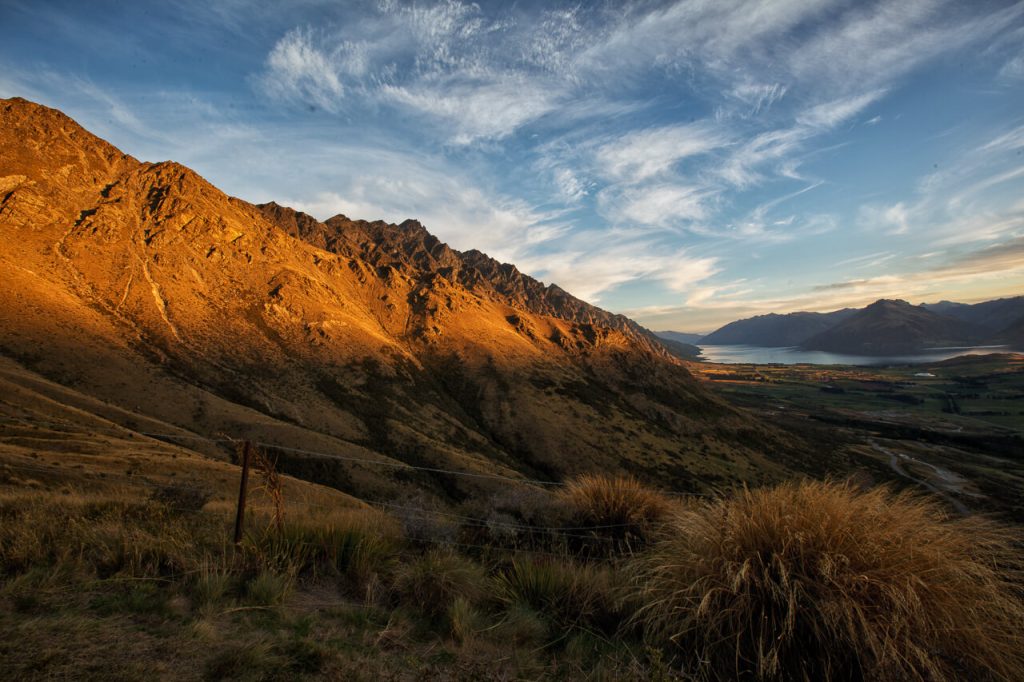
Flying into Queenstown, breathtaking views: rugged mountain tops, stark, sharp. Four billion years in the making and as majestic as ever.
New Zealand’s weather can be unpredictable. Geographically the island is narrow, mountainous, and located in the middle of the Pacific Ocean close to Antarctica — you can see why the weather turns so quickly. All four seasonal changes can happen in a given day. So if the sun is shining, get yourself to those vantage points to take in the amazing views, pronto.
Our trip starts in the historic Arrowtown, just 15 minutes from Queenstown. Its tree-lined streets are beginning to show their autumn colours. The main street is peppered with historic buildings, remnants of the gold rush period that put the town on the map back in 1862. The town is quaint, laid-back whilst delivering fine dining and plenty of tasty local wines.
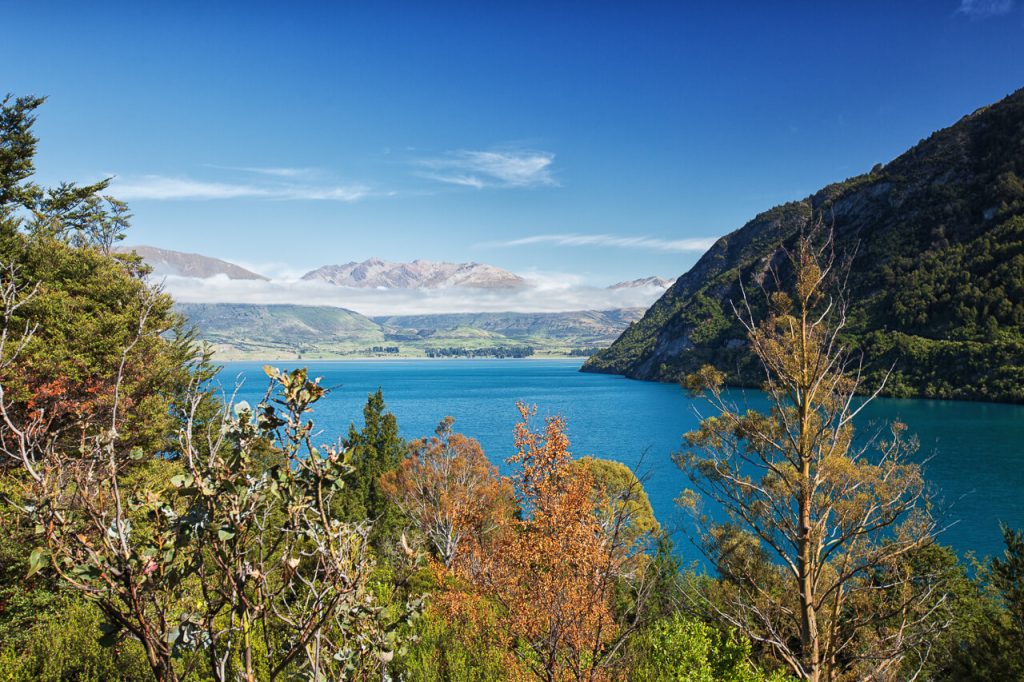
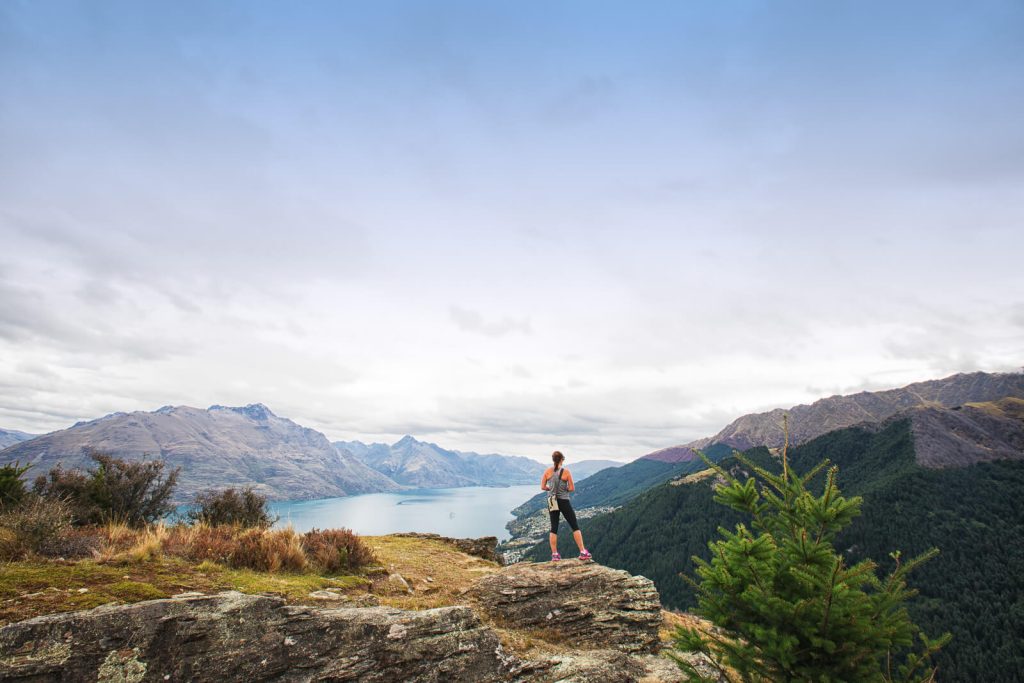
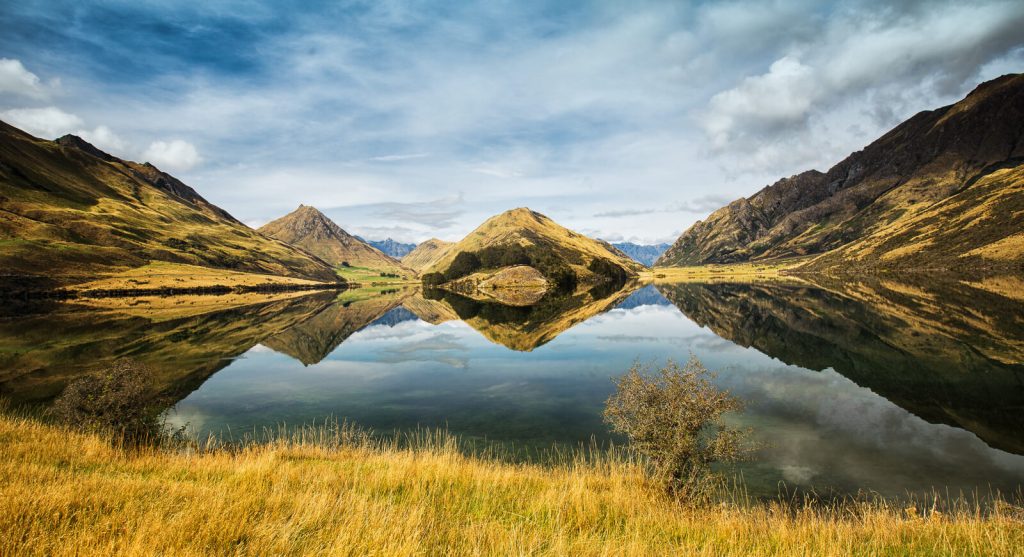
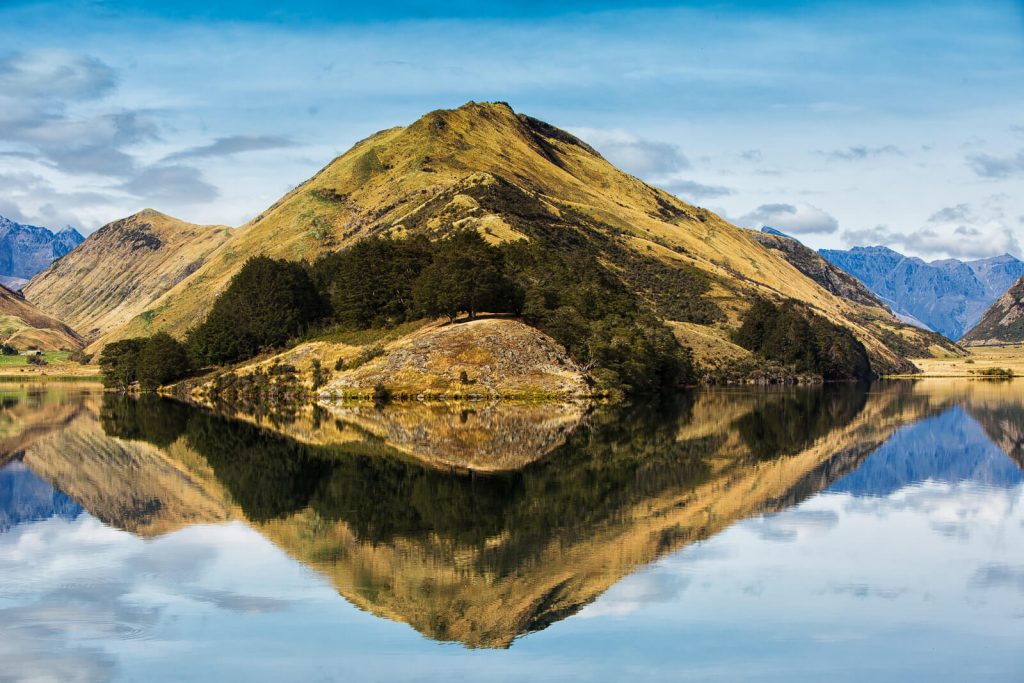
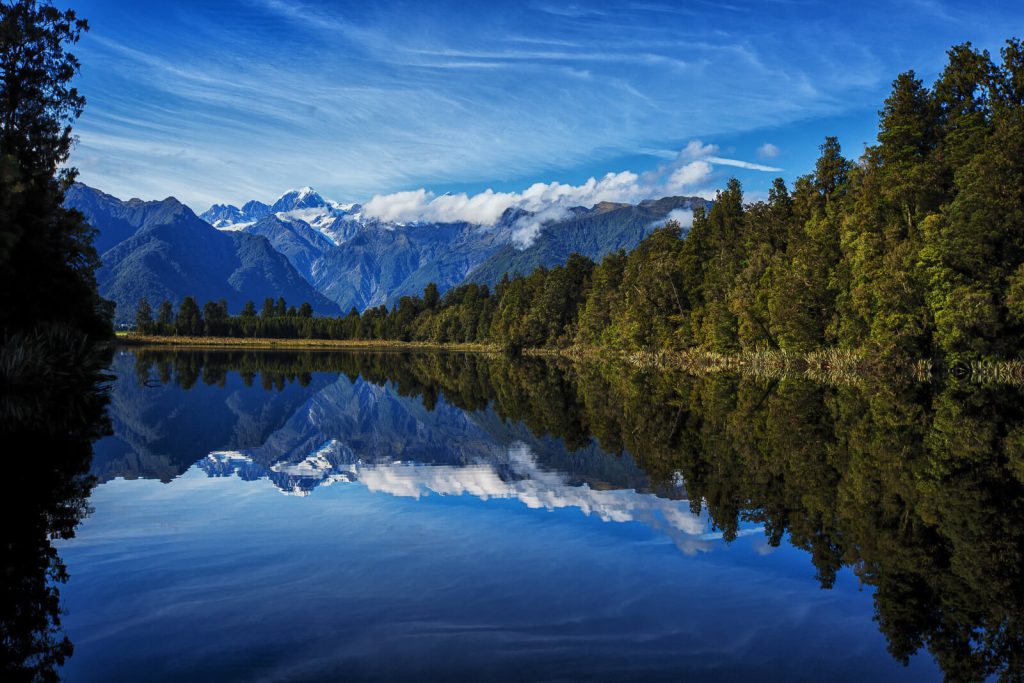
NZ has plenty of amazing hikes — there’s something for all levels. Multi-day hikes, serious day hikes as well as some gentler walks. Most of the popular lakes offer easy walking terrain — Lake Hayes, Moke Lake, Bob’s Cove, Lake Matheson to name a few. We hired a car and AirBnB’d all our accommodation. At every town we stayed, a local short hike was the perfect pre-breakfast workout along with breathtaking views.
These pre-breakfast brisk morning hikes were met with countless “Hello, good mornings” from the very hospitable locals. Kiwis are truly such a friendly bunch; even their dogs had a happier swagger on.
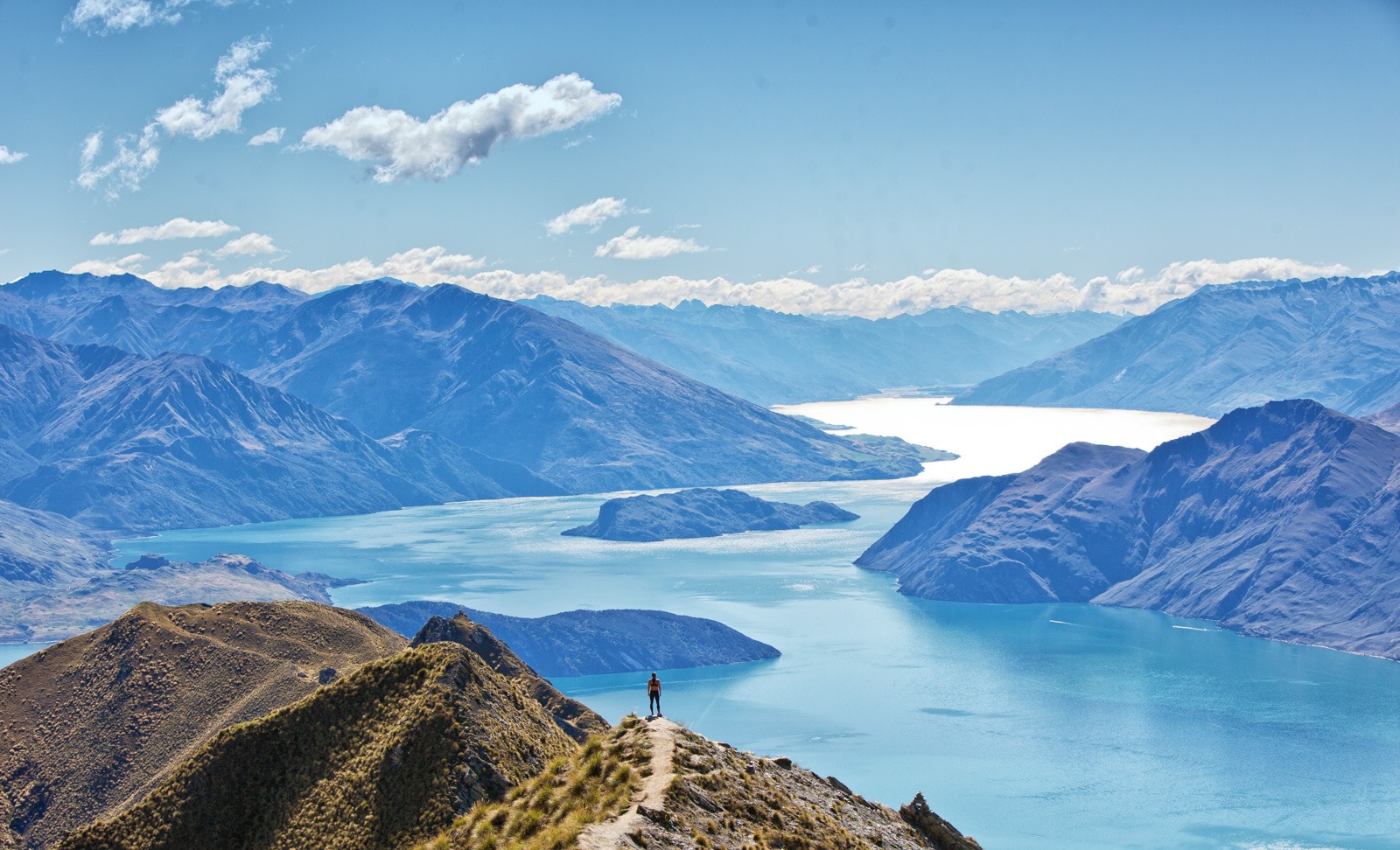
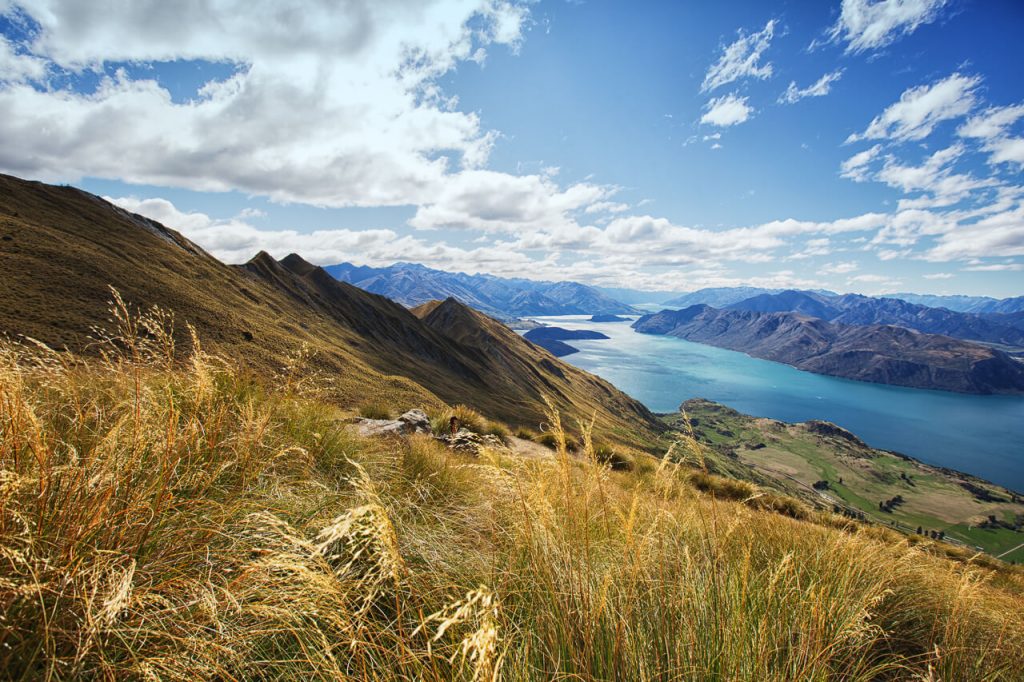
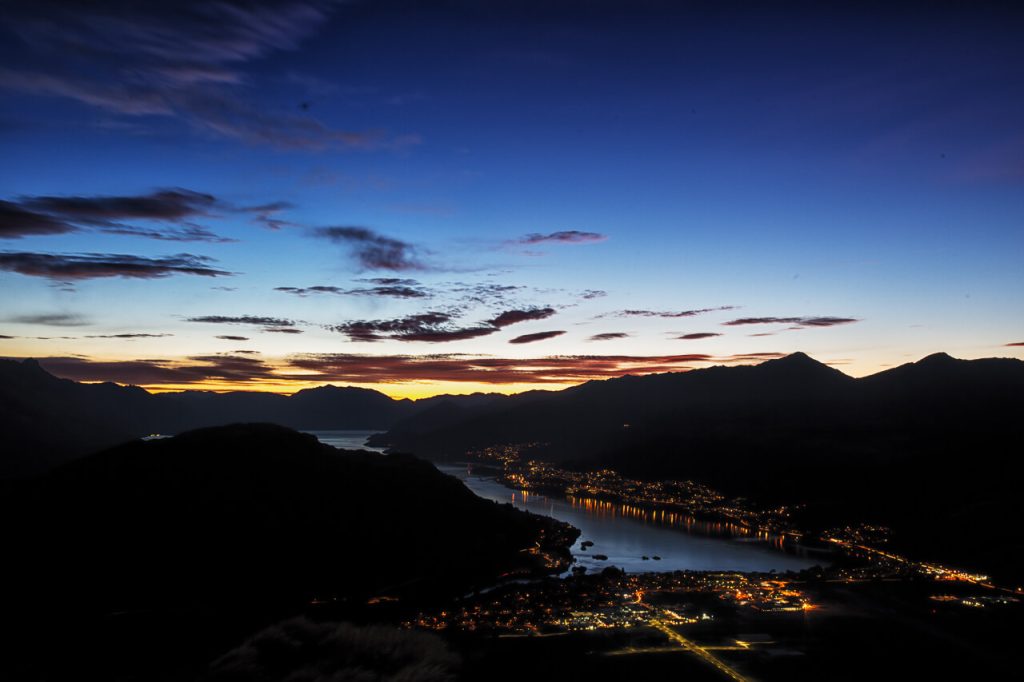
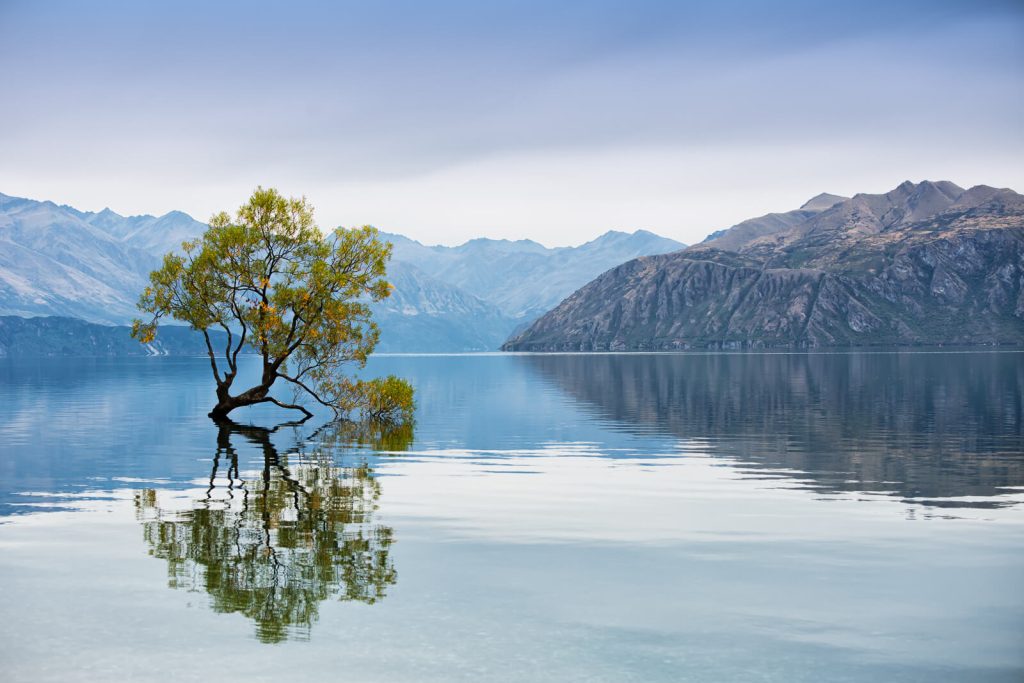
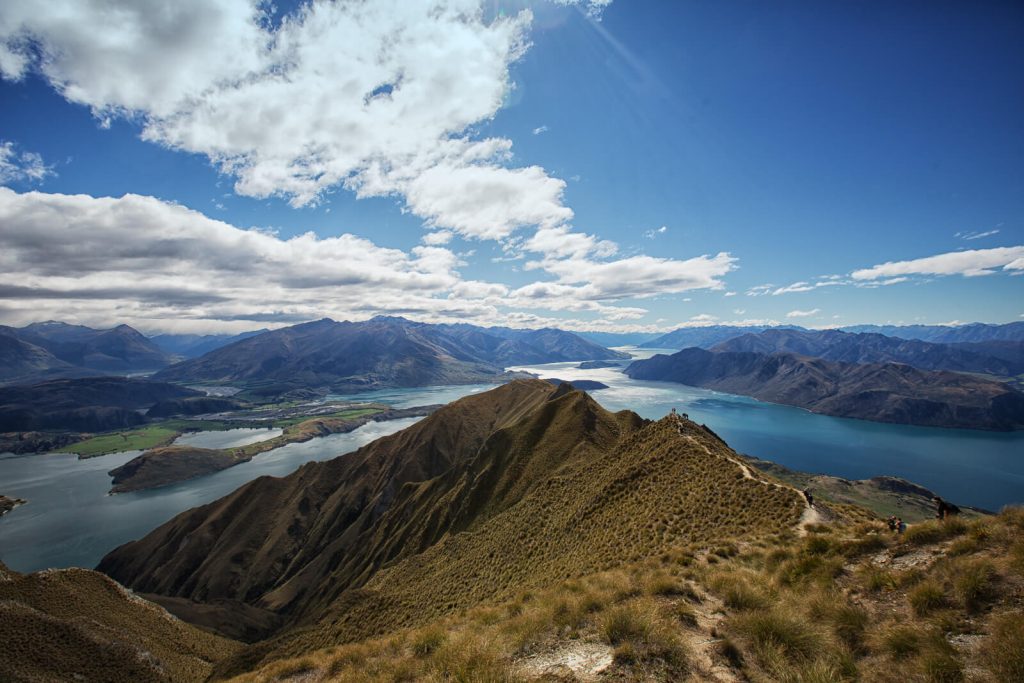
Some of the longer walks will require you to take a daypack with lunch and water. Roy’s Peak near Wanaka is one of them. Its summit at 1,578 m takes 3 hrs — up, up you go, tough on the calves. The views, however, are stunning. Sweeping views across Lake Wanaka, the surrounding peaks and Mount Aspiring/Tititea — truly breathtaking. The queue of Instagrammers wanting “that” selfie shot, also impressive. A 3-hr slog for a selfie — that’s serious commitment.
Next stop: the west coast and Franz Josef Glacier. This was my first encounter with real NZ rain. The windshield wipers on full speed the entire time — typically a 3.5-hour drive became 5.5. I was assured by my better half (a Kiwi) that it rains like this all the time on the west coast. Eventually we arrived at our AirBnB destination, it was dark and we were extremely tired — we fell into a deep sleep almost immediately. Then, in the middle of the night, I was woken by what sounded like a fire hose blasting our roof. It was intense. Our car, parked in front of the house, couldn’t be seen due to the curtain of rain between it and the house. The following morning the town was in a state of emergency. Turns out the rain wasn’t normal — it was the worst storm they’d seen in 50 years. The Waitara River had burst its banks and flooded the hotel next door, 180 people evacuated. We went into town to get supplies and while assessing the damage were asked to do a TV interview as well as a couple of radio interviews — our NZ adventure just took another turn. I had momentary celebrity status on NZ TV and radio.
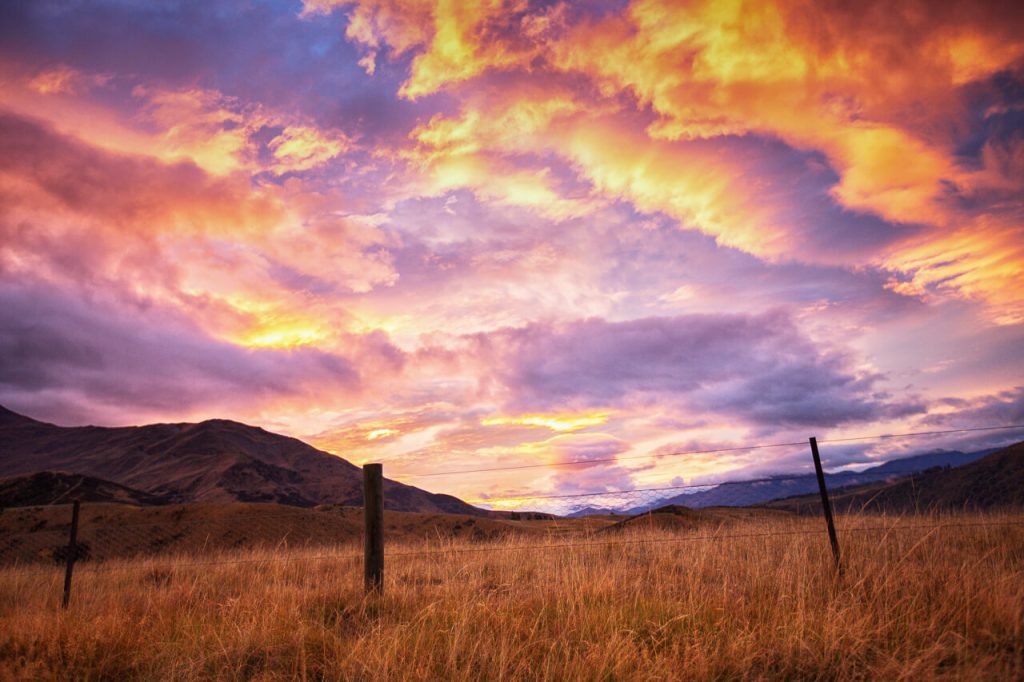
The next morning, the storm had left as quickly as it arrived. Franz Josef put on a spectacular light show of pinks and oranges as the morning sun broke through the clouds. Mother Nature in all of her splendour.
The west coast of NZ’s South Island is stunning — with breathtaking waterfalls, wide river beds, aqua-blue waters, majestic mountains, lush green forests — the scenery is unlike anywhere in the world.
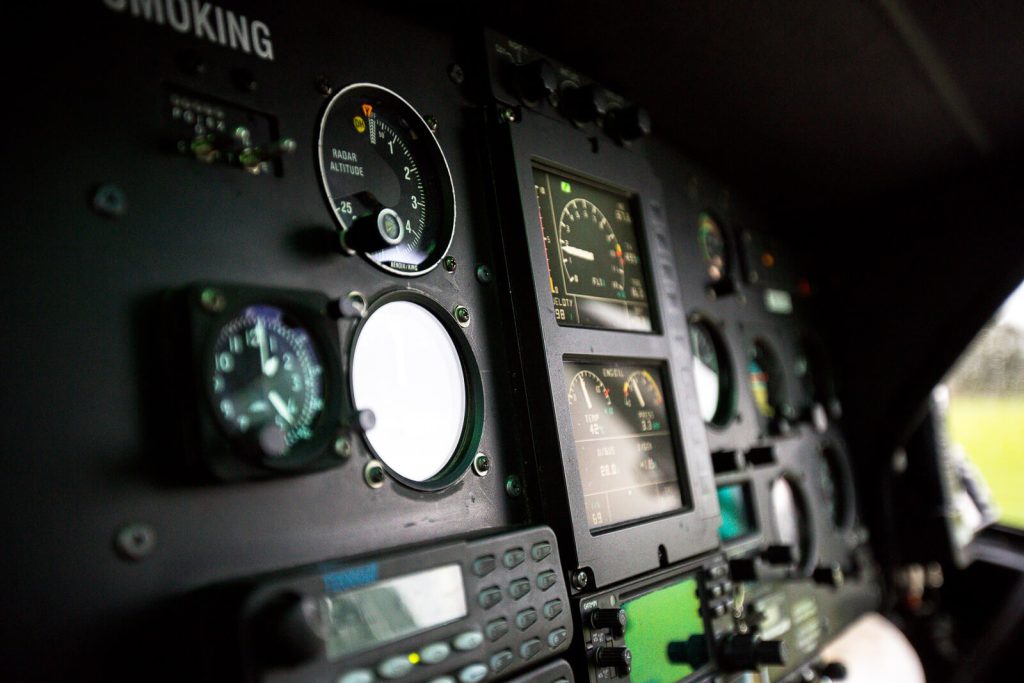
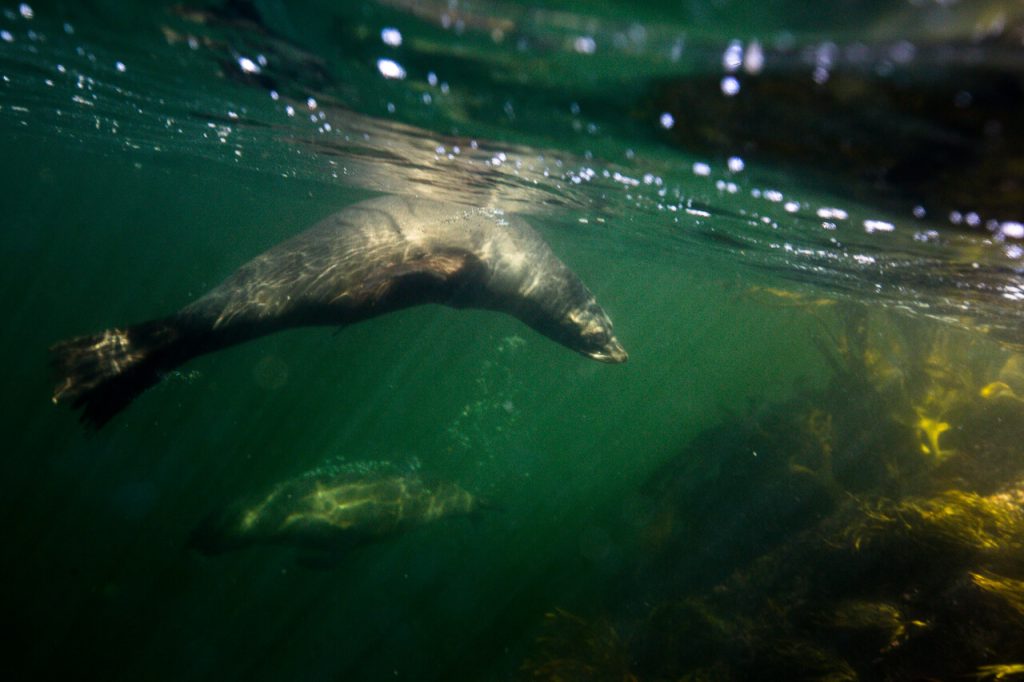
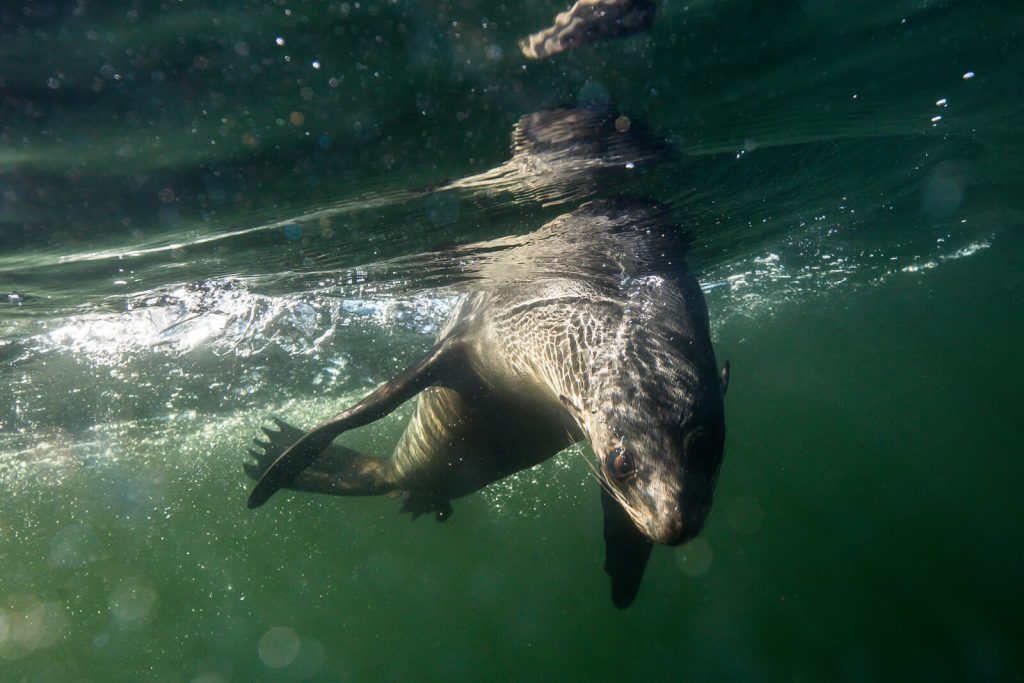
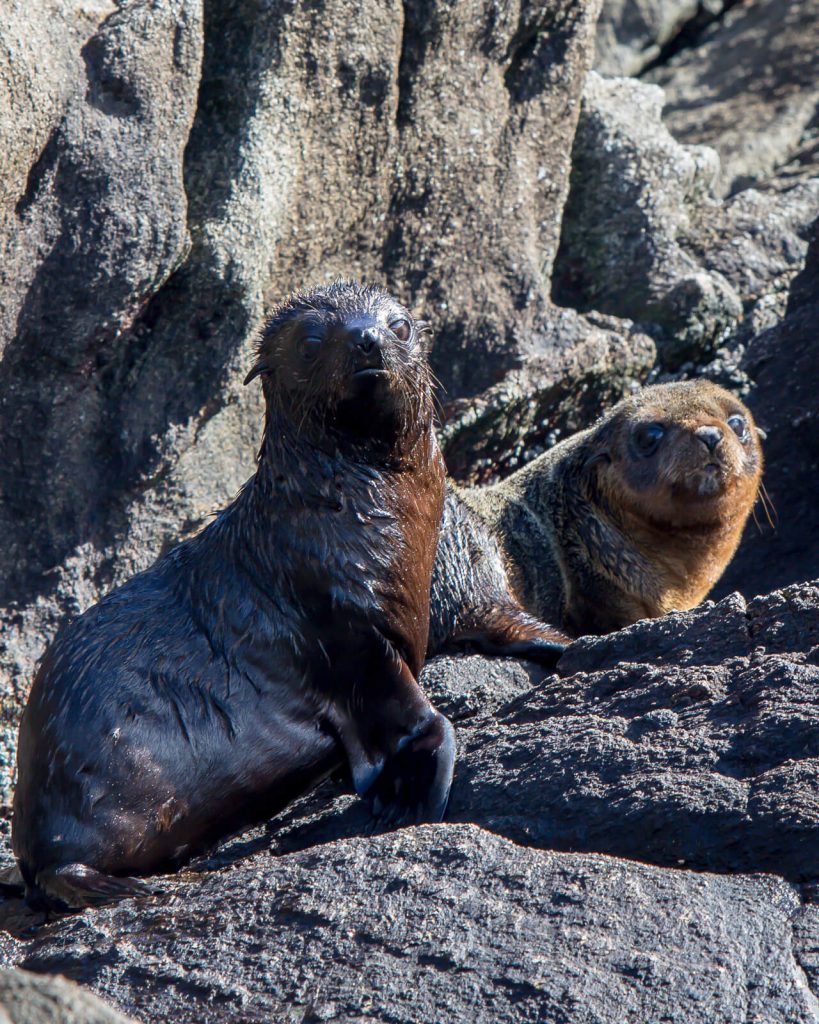
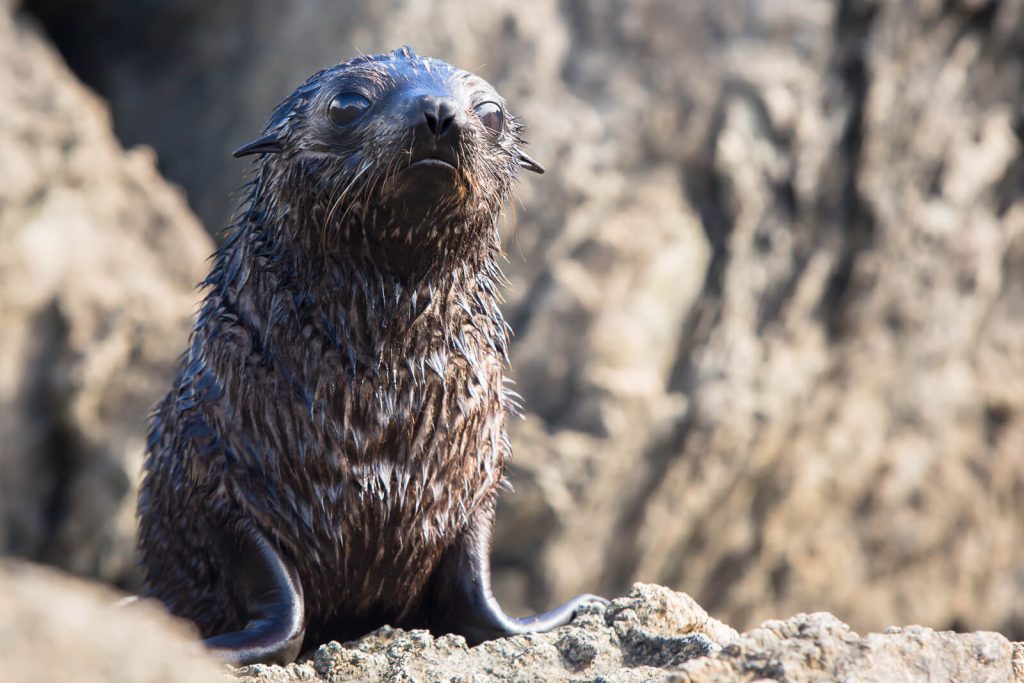
Then came the call I had been secretly waiting for: a helicopter into Breaksea Sound. Remote access to an old sea trawler now sporting a helipad. The deal was simple: help paint the old trawler, then we could go fishing. I had no intention to fish — I wanted in the water. I came prepared in the event this was going to happen. I had my underwater camera housing and a serious wetsuit to keep warm. The water was 13°C, the sun was shining, not a breath of wind, the water like glass. We came across some New Zealand fur seals. I got ready in record time before anyone had any doubts. I quietly slid into the brackish, brown waters, trying to make my arrival as stealthy as possible. The visibility isn’t great in shallow brackish waters, so unless you freedive past the 5 m mark you really need to be up close with your subjects. I looked like a seal — full wetsuit, hoodie, big fins, gloves, all black. I was also alone. The seals, I think, had another image in mind — at this point they darted away. I waited half an hour or so before they eventually returned, did a few inquisitive laps and then came in close enough for a picture. I’m not sure how many people have ever swum here, but I felt completely at ease with the seals and being in the open ocean by myself. It was a life moment.
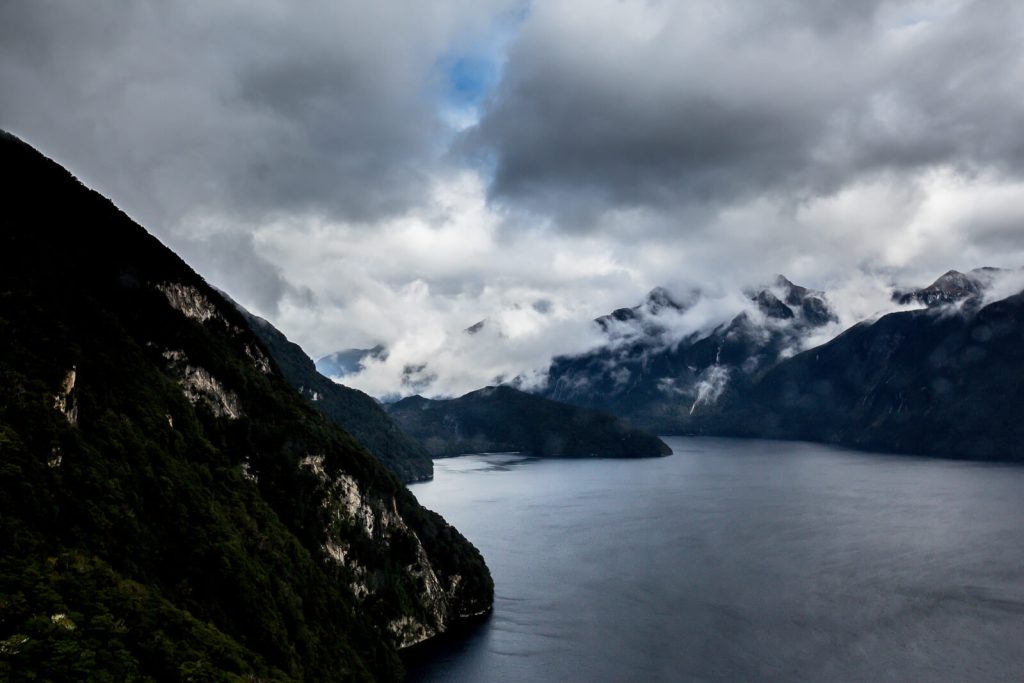
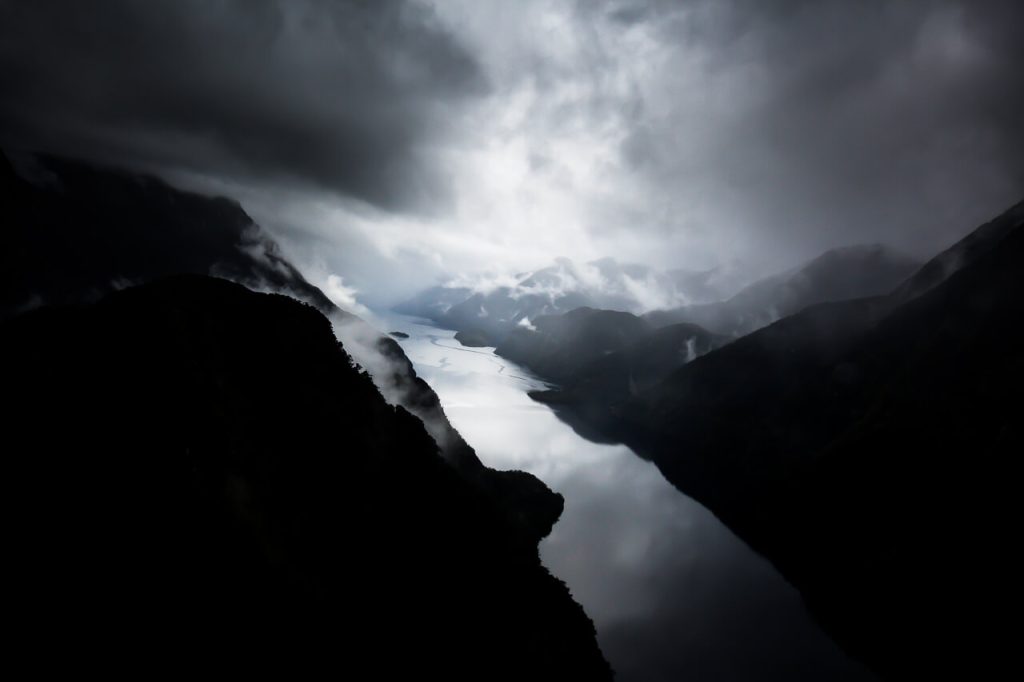
With a change of weather forecast for the next day, we had to depart a day earlier than expected. I said my silent goodbyes as Sir Richard “Hannibal” Hayes, our pilot and host, took us the 100 km journey back to Te Anau over the Fiordlands. Just like a scene from the movie Jurassic Park — you’re half expecting to see Pterodactyls fly past or hear the roar of a tyrannosaurus rex below. It was mesmerising.
Our holiday was at an end. We experienced just a fraction of what NZ has to offer and are now planning the next chapter in our NZ adventure book. We had so much fun and everyone — from the moment we boarded the Air New Zealand flight — was genuinely happy and helpful. I couldn’t recommend it highly enough.